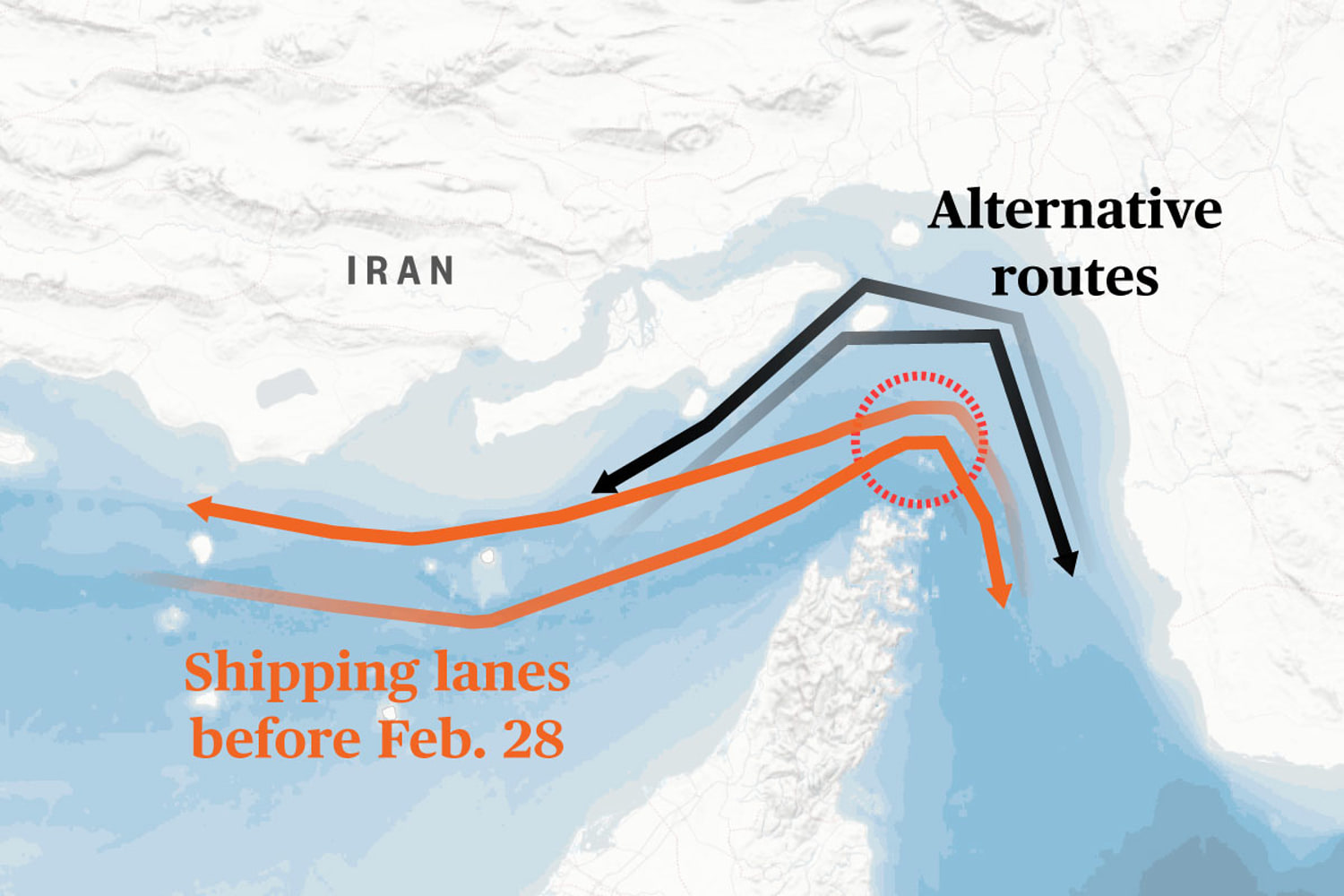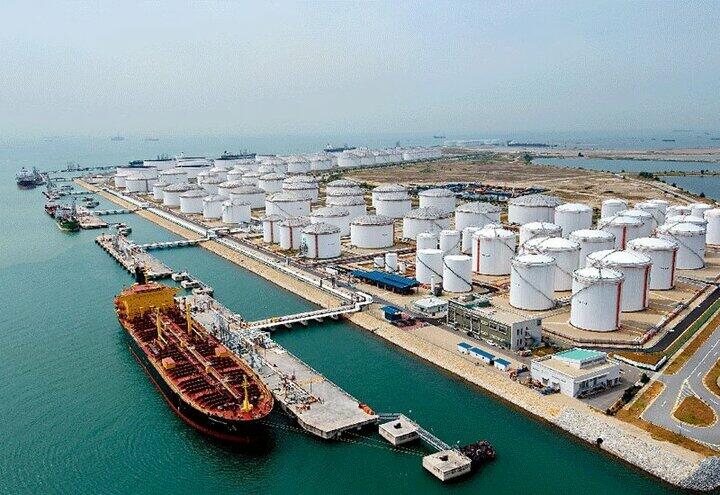
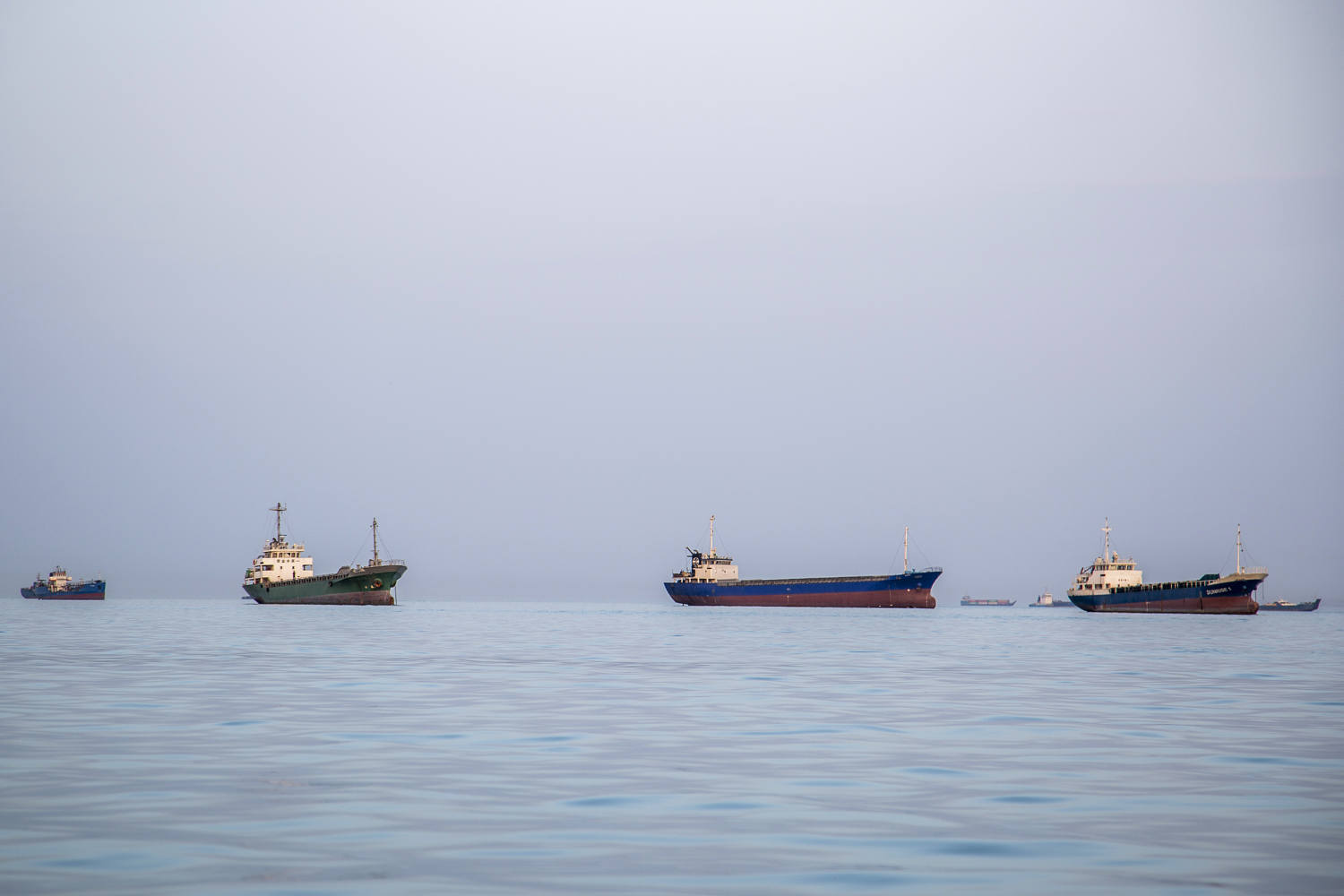
Trump's blockade is having a predictable effect on Iran's economy and oil industry, with reports that the regime is scrambling to repurpose old and rusty tankers as floating storage. Kharg Island is hitting capacity and the results could lead to disaster for Iran's oil wells.
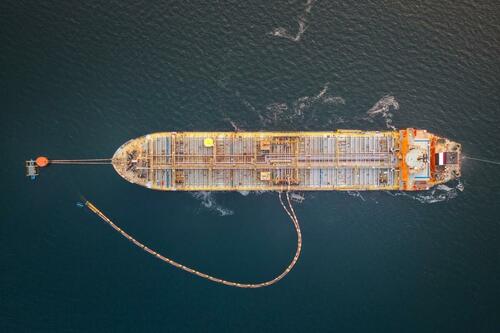
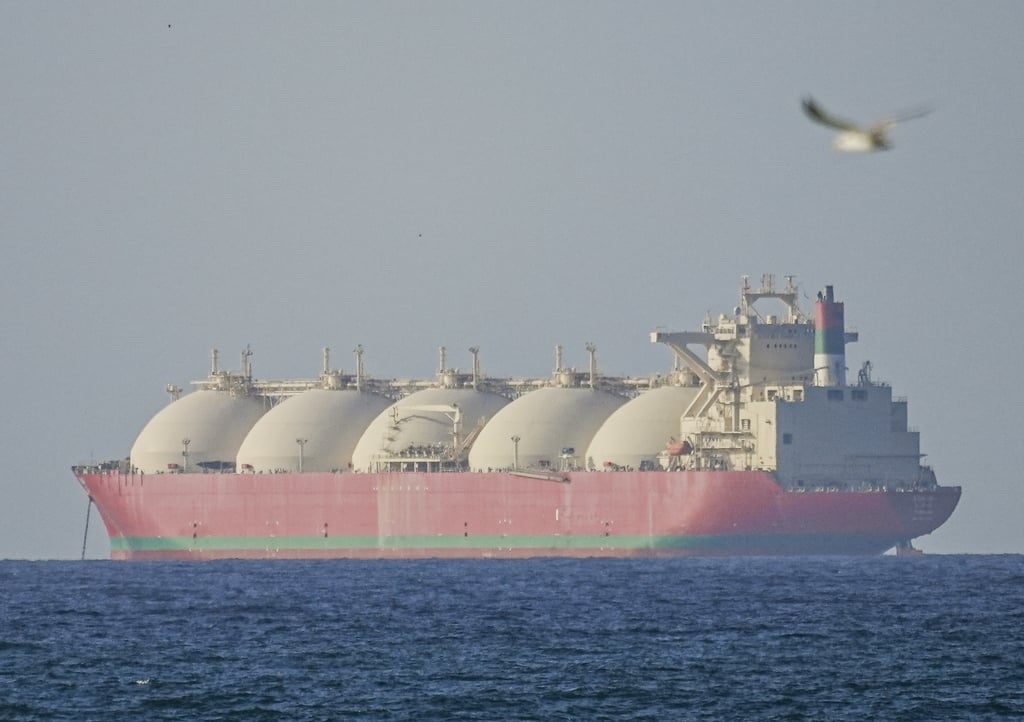
The regime is reportedly moving to expand crude storage at the island, where around 90% of their energy exports are processed, by reactivating a 30-year-old crude carrier called M/T Nasha. It's a bad sign for Iran, indicating that the country’s main oil hub is nearing its onshore storage limit. Maritime analysts say the vessel, which had been anchored empty for years, is being repositioned as floating storage to absorb crude that still has to move out of the system.
To prepare for the possibility of running out of oil storage space at Kharg Island, Iran has brought NASHA (9079107) out of retirement. She's a 30yo VLCC that's been anchored empty for the past few years; currently spending 4 days on a trip that should take 1.5–2 days. #OOTT pic.twitter.com/jFhq2xP0mU
— TankerTrackers.com, Inc. (@TankerTrackers) April 23, 2026
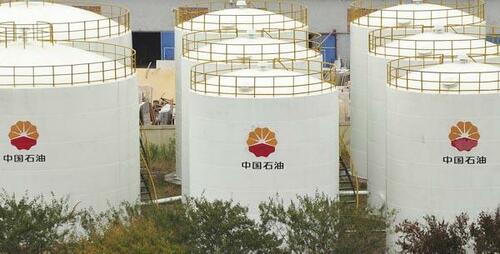
But how much time will decommissioned tankers buy Iran? Current estimates indicate Kharg Island has roughly 13 million barrels of spare onshore storage remaining at the terminal, while net inflows are running at about 1.0 million to 1.1 million barrels per day. At that pace, storage could be filled in about 12 to 13 days, which places the saturation point in late April to early May if current flows hold. A large tanker gives them another potential 2 million barrels of capacity. In other words, not much.
This data is a near match to JP Morgan's recent assessment that Iran has between 20 - 26 days of capacity (including emergency measures) before they hit the wall and are forced to shut down their oil fields.
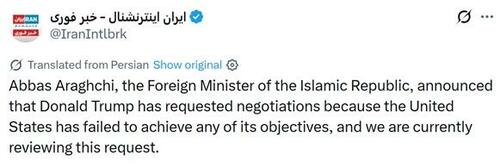
Trump's assertion on Sunday that Iran's oil infrastructure may "explode in three days" due to the blockade might be a bit optimistic, but with the threat of overcapacity it is likely that the Iranians will be forced to the negotiating table in the near term.
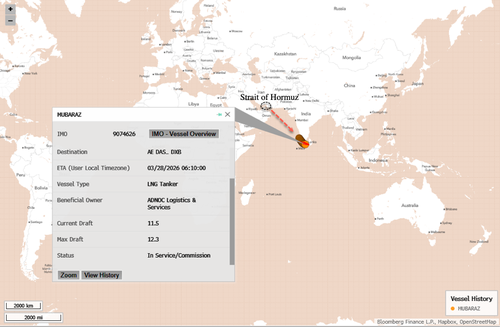
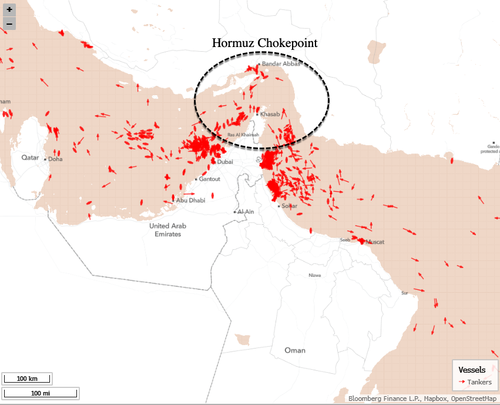
The regime's only other option is to divert the oil away from Kharg to the Jask Oil Terminal at Kooh Mobarak using the Goreh-Jask pipeline. But this storage is limited and may already be full.
There are also limited reports that Iran is increasing "flaring" at wells to burn off excess. To keep wells operating safely (avoiding sudden shutdowns that can cause permanent geological issues), operators are flaring off excess associated gas (and possibly some liquid byproducts) at a heightened rate.
If wells are forced to shut down due to lack of storage, this could cause permanent damage and render the wells unusable in the future. Recovery is expensive and difficult.
If the current data is accurate, then Iran has approximately two more weeks before their economy is destroyed. Loss of $430 million per day in export revenues aside, permanent damage to their oil fields would result in a long term economic disaster.
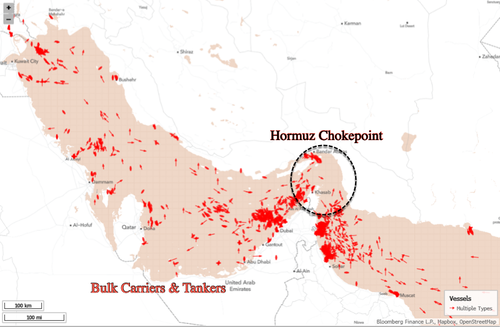
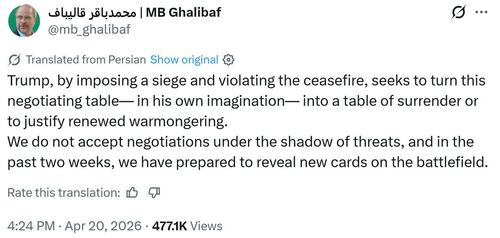
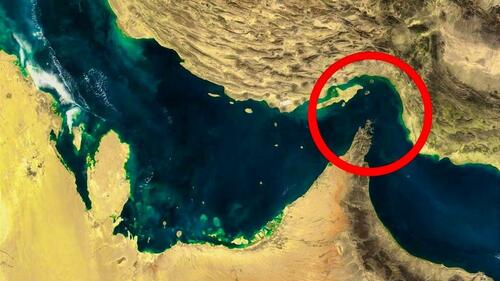
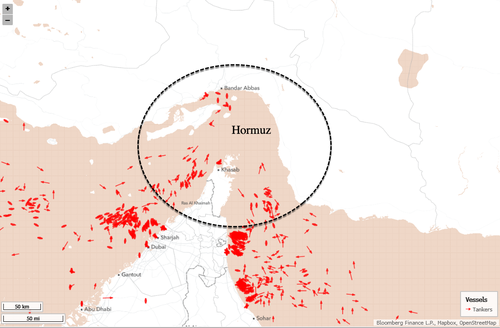
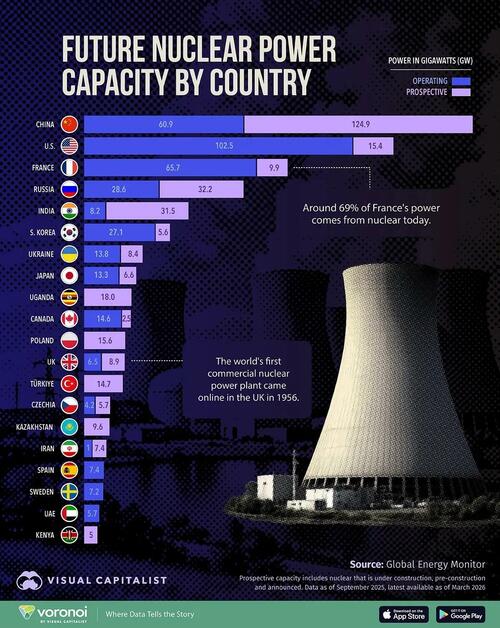
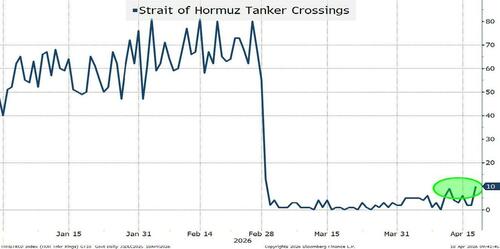
The danger of well shutdowns is probably the reason why the regime has offered new proposals every few days to open the Strait of Hormuz, though, they continue to call for a separate negotiation on their estimated 970 pounds of enriched Uranium stockpile.
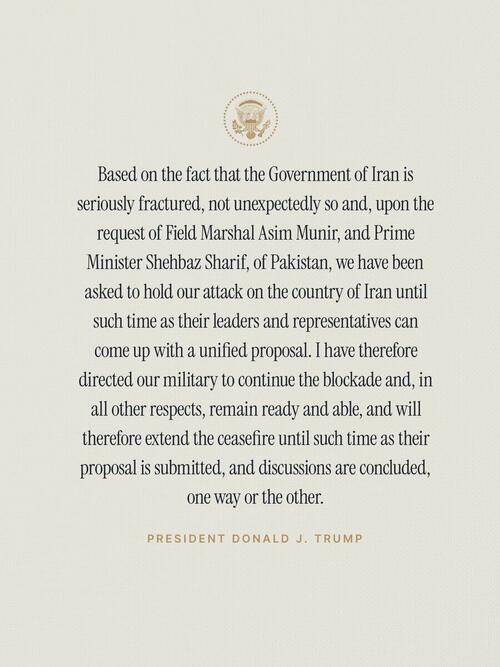
There is little incentive for Trump to lift the blockade at this time, given the amount of leverage he will have over the Iranian economy if he maintains restrictions on their oil exports for another two weeks. The regime is trapped between a rock and a hard place, and will have to decide soon if their oil wells are more important to them than their Uranium.














































































































































































































































.png?branch=production&format=jpg&width=1024)










































































































































































































































































































































































.jpg?branch=production&format=jpg&width=1024)