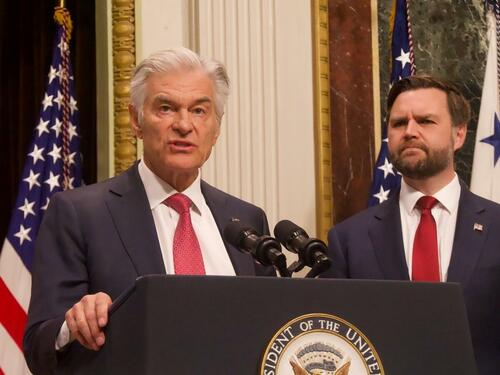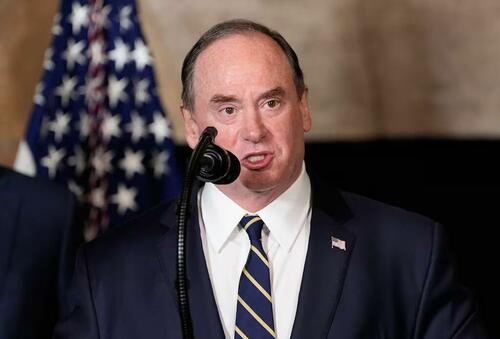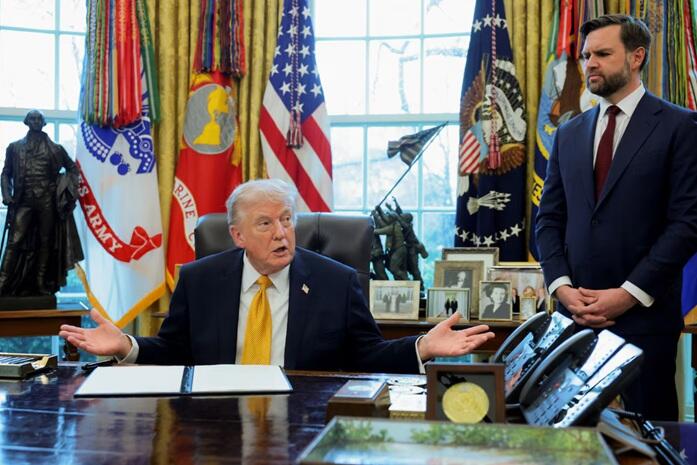
Vice President JD Vance is reportedly questioning assessments from the Department of War about the effectiveness of the US military campaign against Iran.
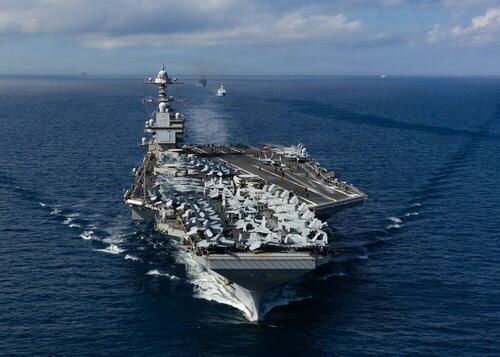
According to two senior White House officials cited by The Atlantic, Vance has expressed skepticism about recent Pentagon estimates on the depletion of US munitions since the launch of Operation Epic Fury. A report released last week by the Center for Strategic and International Studies found the Pentagon used roughly half of its stockpiles of advanced interceptors and standoff munitions in the first five weeks of the conflict, which we reported here. But the Pentagon has consistently downplayed and rejected such negative assessments.
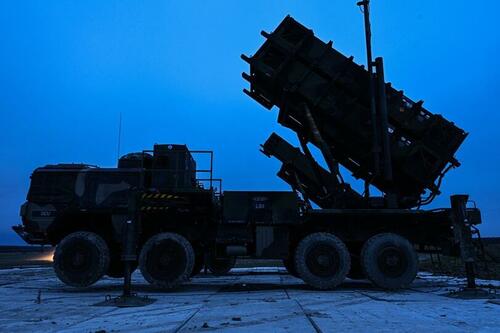
That report found that the US military tore through nearly half its Patriot interceptor inventory while heavily draining multiple other critical missile stockpiles.
The Atlantic article presents a Vance team which carefully seeks to avoid conflict with Trump and his top cabinet officials, by backing the Pentagon's rosy picture of the war in public, while privately pushing back within internal deliberations:
Two senior administration officials told us that the vice president has queried the accuracy of the information the Pentagon has provided about the war. He has also expressed his concerns about the availability of certain missile systems in discussions with President Trump, several people familiar with the situation told us. The consequences of a dramatic drawdown in munitions reserves are potentially dire: U.S. forces would need to draw from these same stockpiles to defend Taiwan against China, South Korea against North Korea, and Europe against Russia.
Vance is concerned that the heavy use of weapons against Iran is degrading America's readiness in the scenario it had to fight wars in Europe and East Asia. Already, the US has had to transfer major anti-air defense systems from the territories of key allies in Asia to the Middle East - and there's little doubt Beijing quietly welcomes this scramble which takes pressure off and dwindles the US defense build-up related to the Taiwan situation.
There have been widespread reports that the White House is being presented with assessments which overemphasize the 'good news' related to the Iran campaign, and not vital information which would provide a more accurate picture. The Atlantic continues:
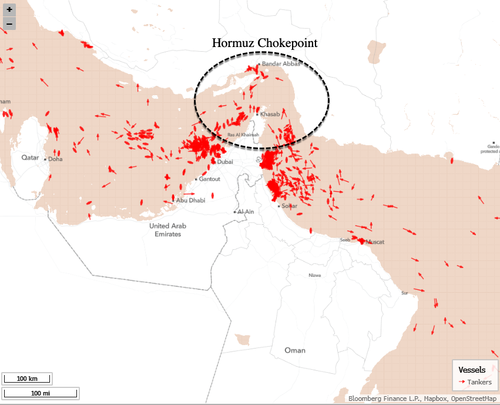
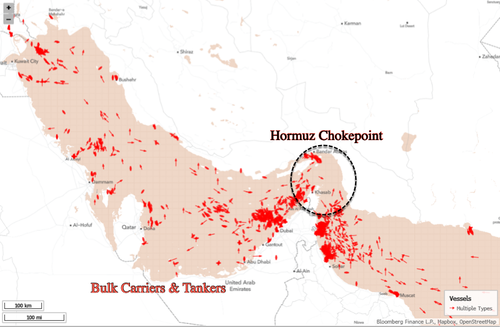
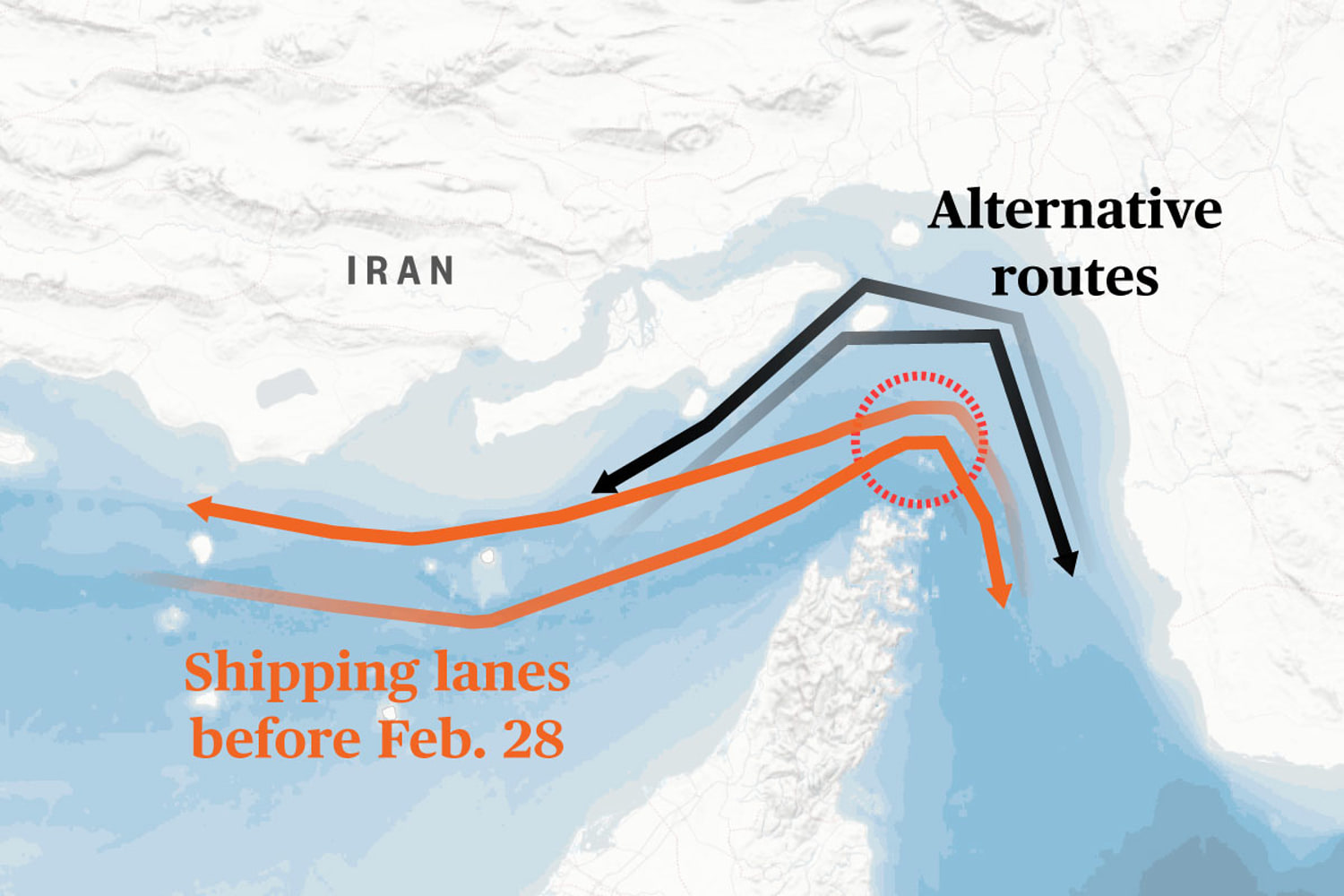
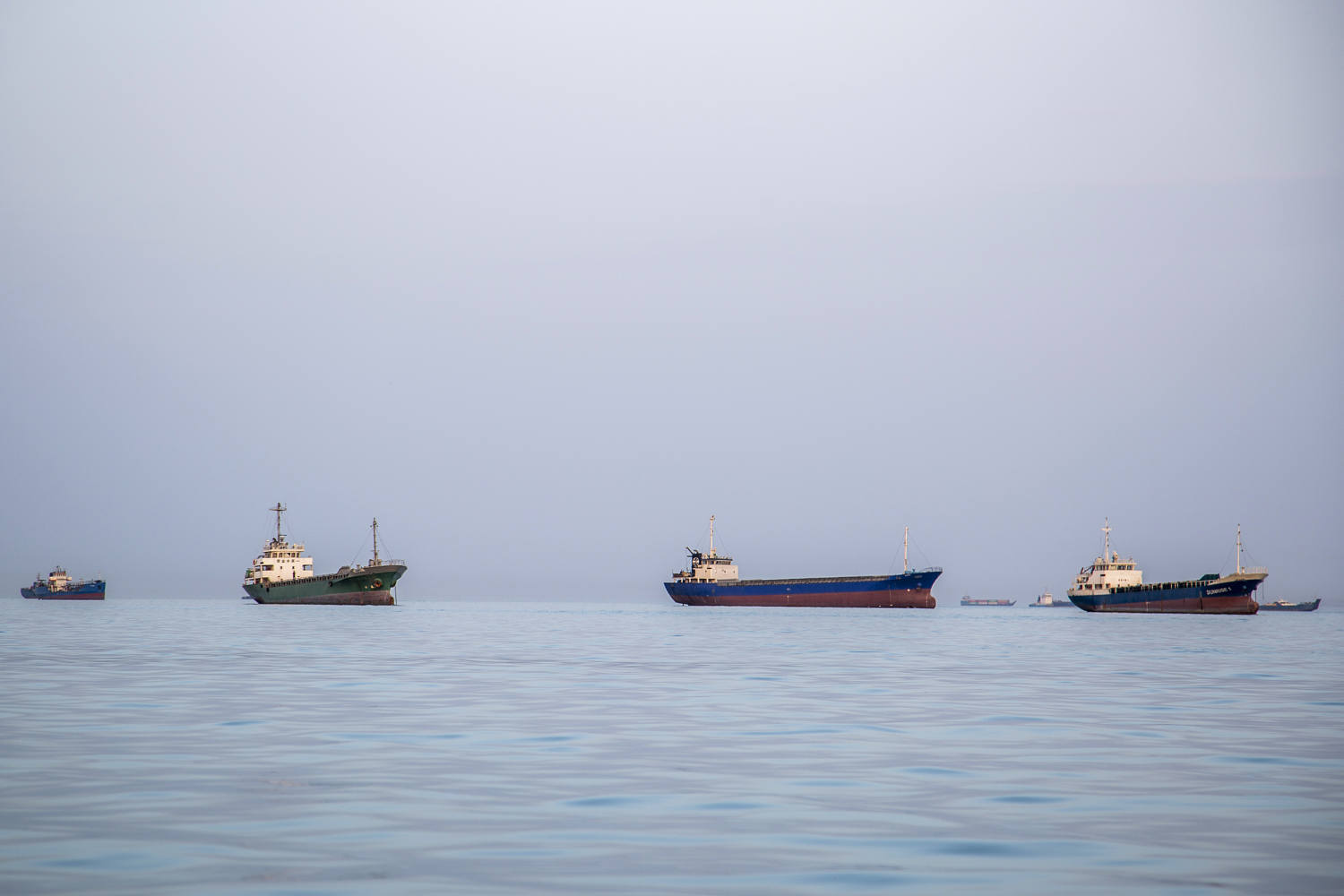
Pentagon leaders’ positive portrayals present an incomplete picture at best, people familiar with intelligence assessments told us. According to those internal estimates, Iran retains two-thirds of its air force, the bulk of its missile-launching capability, and most of its small, fast boats, which can lay mines and harass traffic in the Strait of Hormuz. At least in terms of resuming stalled maritime commerce, “those are the real threat,” one person told us.
And here is more on Vance's objections, presented in the report:
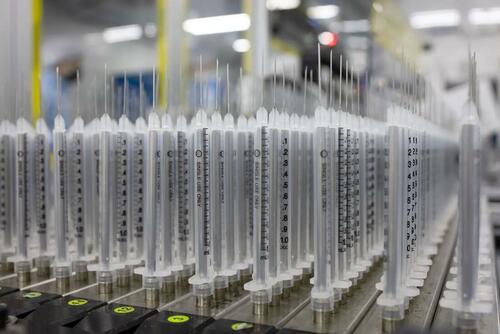
Officials and outside advisers told us that the use of key weapons—including interceptors that defend against Iranian missiles, and offensive weapons such as Tomahawk and Joint Air-to-Surface Standoff missiles—has produced a serious shortage that erodes America’s ability to fight future wars, despite an effort to quickly manufacture replacements. Vance has raised concern about munitions shortages in meetings with the president and other national-security officials.
But while Vance apparently privately disputes Hegseth’s assessments, he has not directly challenged the Pentagon. A White House official said he "asks a lot of probing questions about our strategic planning, as do all of the members of the president’s national-security team."
One additional bombshell line from The Atlantic report comes in the following:
Both Pete Hegseth, the secretary of defense, and General Dan Caine, who chairs the Joint Chiefs of Staff, have publicly said that U.S. weapons stockpiles are robust, and portrayed the damage to Iranian forces after eight weeks of fighting as drastic. Vance’s advisers, who spoke with us on the condition of anonymity, told us that the vice president has presented his concerns as his own rather than accusing Hegseth or Caine of misleading the president.
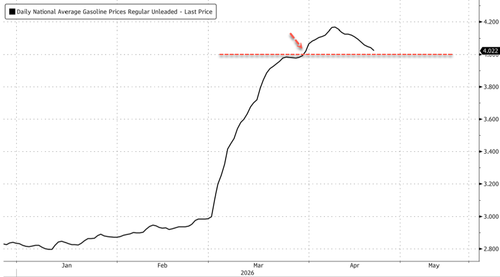
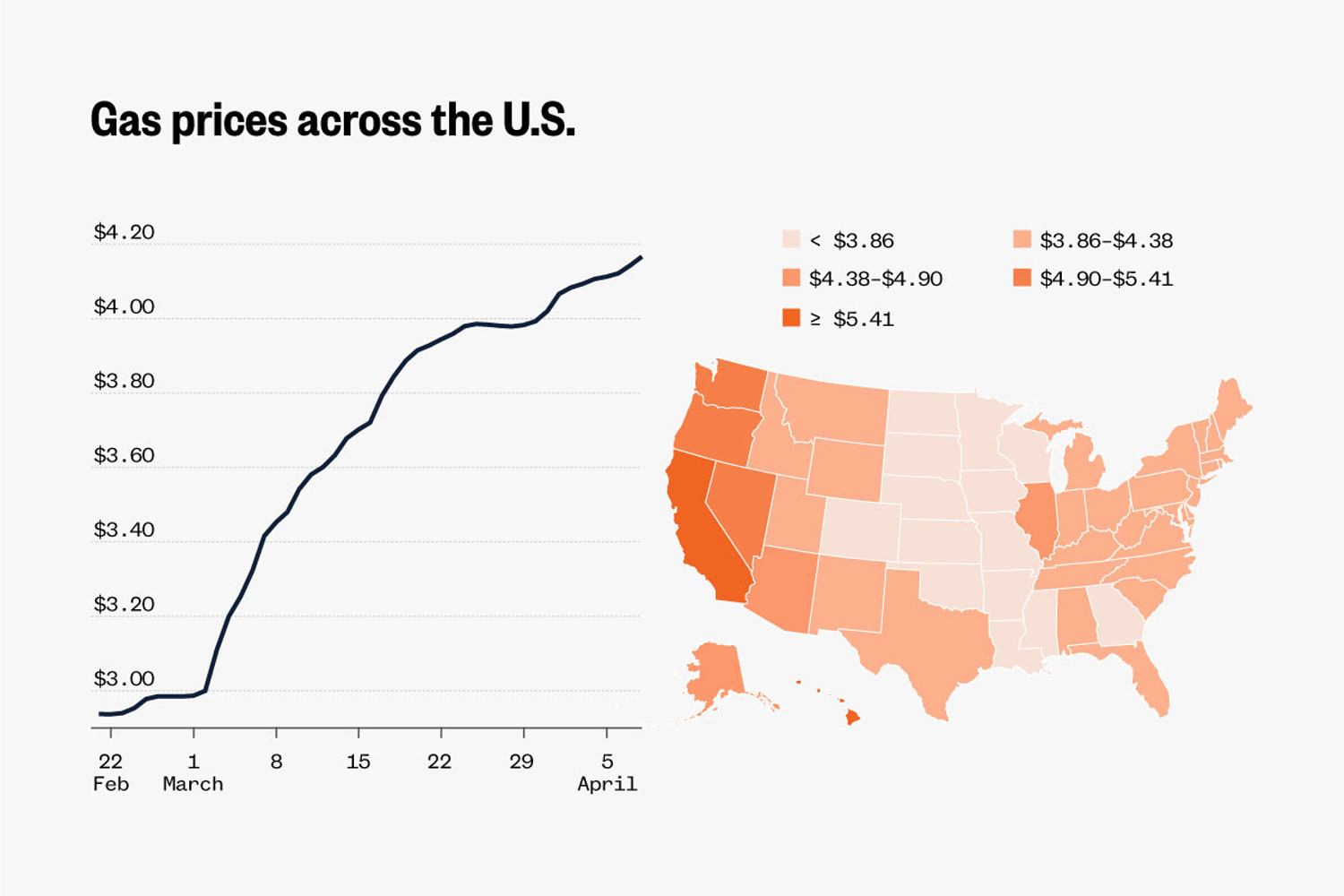
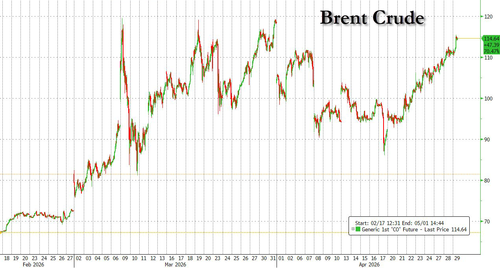
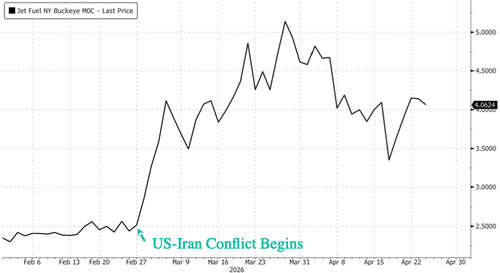
Trump has previously admitted to reporters that Vance was "maybe less enthusiastic" about a conflict which could grow increasingly unpopular among American voters, especially as gas and food prices continue to go up amid the Hormuz Strait standoff.
Still, Vance has recently hyped the nuclear threat out of Iran, strangely floating the idea of a nuclear suicide bomber - though this left experts and analysts wondering how he imagines this would be possible. It has been compared to former National Security Advisor Condoleeza Rice under Bush and her "mushroom clouds" moment related to Iraq. "We don't want the smoking gun to be a mushroom cloud," she had said, in an infamous moment of peak post-9/11 fearmongering.



































































































































.jpg?branch=production&format=jpg&width=1024)




.jpg?branch=production&format=jpg&width=1024)





































































































































































































































.png?branch=production&format=jpg&width=1024)