By Philip Marey, senior US strategist at Rabobank
Summary
- As widely expected, the FOMC remained on hold. Governor Miran dissented again because he wanted a rate cut.
- However, there were also three dissenters (Hammack, Kashkari and Logan) who wanted to remove the bias toward cutting from the statement.
- On balance, Powell said that the center of the Committee was moving toward a more neutral place in thinking about cuts versus hikes.
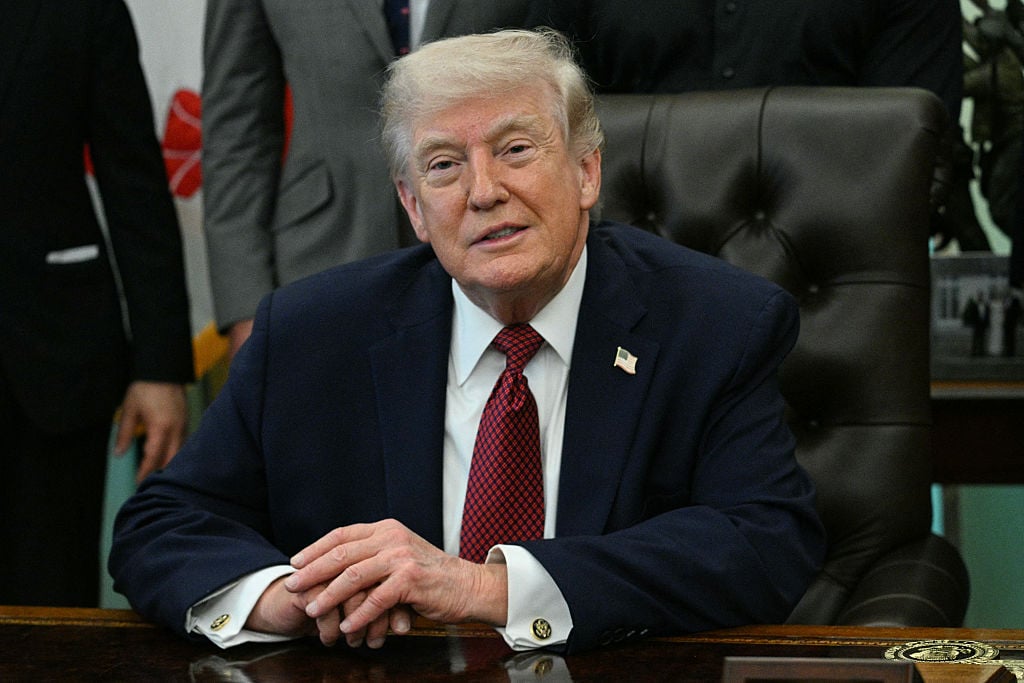
- Powell announced that this was his last press conference as Chair, but he would stay on as a Governor until he thinks it’s appropriate to leave, because of the legal attacks on the Fed.
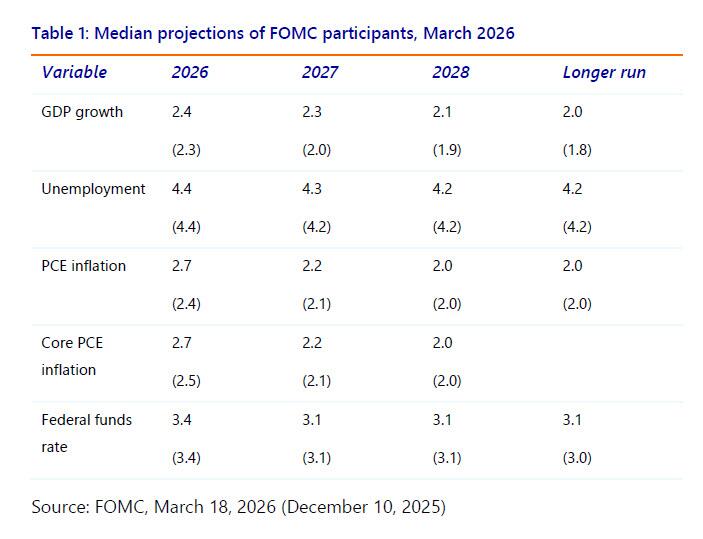
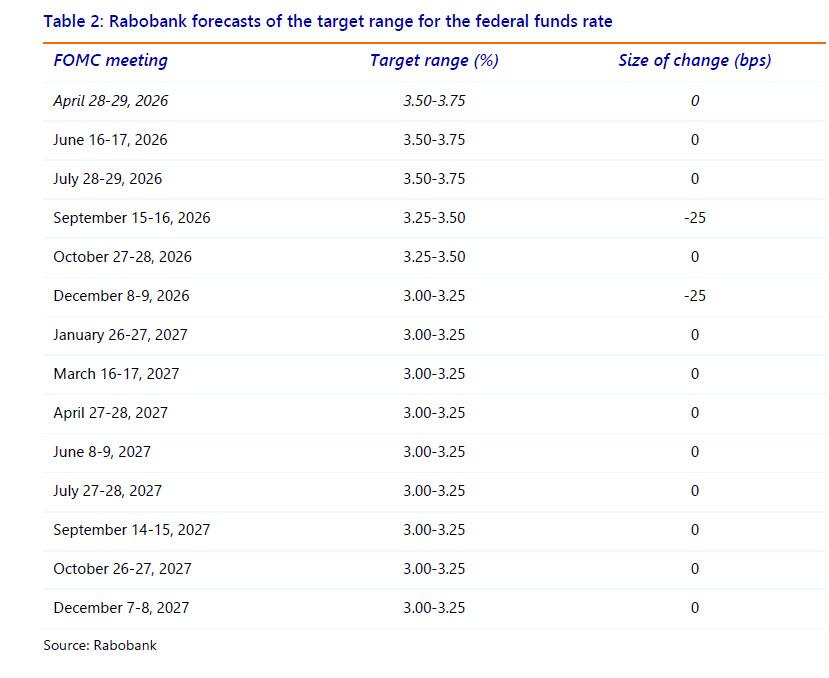
- Our baseline forecast is still two rate cuts this year, one in September and one in December. Once Warsh becomes the new Chair, he will try to convince the Committee to make more than the single cut in their most recent projections. However, given the developments in the Middle East, we think that in the coming months we are more likely to drop a rate cut from our forecast than add one.
Introduction
As widely expected, the FOMC decided to keep the target range for the federal funds rate unchanged at 3.50-3.75% this month. Governor Miran repeated his dissent, preferring a ¼ percentage point rate cut at this meeting.
However, there were also three dissents (by Hammack, Kashkari and Logan) because they “did not support inclusion of an easing bias in the statement at this time.” This easing bias is currently expressed in the statement “In considering the extent and timing of additional adjustments to the target range for the federal funds rate…”. Since the last three adjustments were rate cuts, this sentence would suggest that the FOMC is still biased toward cutting.
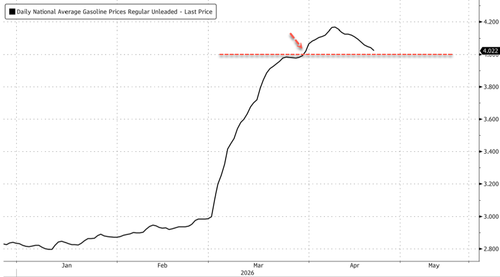
In its assessment of the economy, the statement replaced “The implications of the developments in the Middle East for the U.S. economy are uncertain” by “Developments in the Middle East are contributing to a high level of uncertainty about the economic outlook”, not a major change content-wise. However, inflation is now explicitly linked to global energy prices and described as elevated rather than somewhat elevated. “Inflation is elevated, in part reflecting the recent increase in global energy prices” instead of “Inflation remains somewhat elevated” This is a clear nod to the rise in CPI inflation to 3.3% in March from 2.4% in February.
Press conference
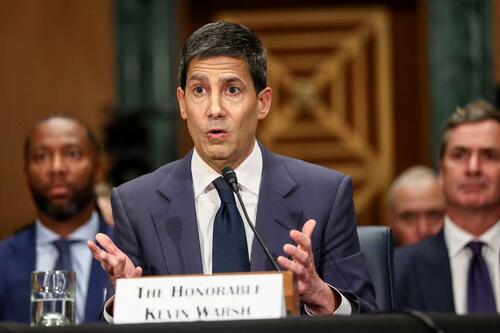
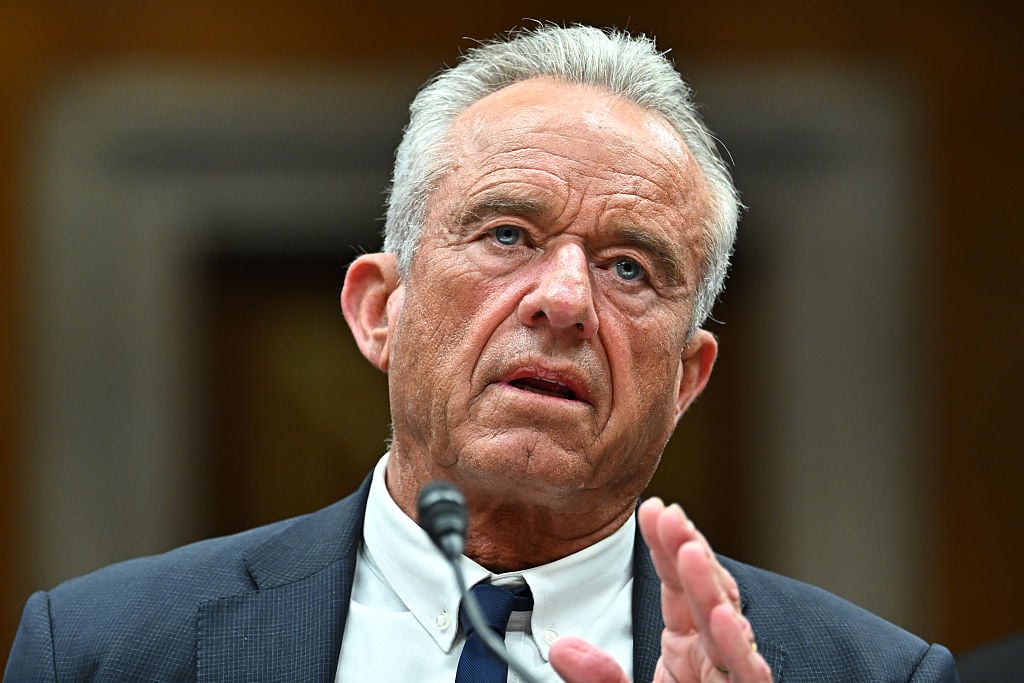
In his prepared speech, Powell reiterated the economic assessment in the FOMC statement, including that economic activity has been expanding at a solid pace. However, after announcing that this was his last press conference as Chair, he said he would stay on as a Governor. He was encouraged by the recent developments, meaning the suspension of the criminal inquiry against him – which in a Senate Banking Committee vote earlier today was sufficient for Senator Tillis to support advancing Warsh’s nomination to the Senate floor – but he was clearly not entirely persuaded yet. Nevertheless, he promised to maintain a low profile as a Governor.
The two main topics during the Q&A were Powell’s decision to stay on as Governor and the dissents on the easing bias.
When asked why he wanted to stay on as a Governor, Powell said it was because of the legal attacks on the Fed. He added this had nothing to do with the verbal attacks. He said he will leave when he thinks it’s appropriate to do so. Powell said he was staying because of the actions that have been taken (by the administration), and he actually had planned to retire. But first he wants to see things calming down. Comparing the Fed’s independence now to when he started, he said “I think it’s at risk because of legal assaults.” When asked what he exactly needed from the DOJ, he said “for the investigation to be well and truly over with finality and transparency.” Powell did not answer the question what message he was sending to the President by staying on and said he’ll stand by what he said earlier. In response to the question whether he was going to act as a Shadow Chair, he said that was something he would never do. He intends to be a constructive (FOMC) participant out of respect for the office of the Chair.
Regarding the easing bias, Powell said that the majority in the Committee – including himself – thought there was no rush to change this language. However, Powell said that the center (of the Committee) was moving toward a more neutral place in thinking about cuts versus hikes. He also said there were non-voters who favored changing the easing bias. He stressed that monetary policy was in a good place and if necessary the FOMC could hike or cut, but nobody was calling for a hike right now. In response to a question whether he was handing over a divided Fed to Warsh, Powell said that this was an unusually difficult situation with 4 supply shocks in 5-6 years, referring to the pandemic, Ukraine, tariffs and Iran. So it’s only natural that you have a range of views.
Conclusion
Our baseline forecast is still two rate cuts this year, one in September and one in December. Once Warsh becomes the new Chair, he will try to convince the Committee to make more than the single cut in their most recent projections. However, given the developments in the Middle East, we think that in the coming months we are more likely to drop a rate cut from our forecast than add one.
Finally, the attempts of the Trump administration to influence the Fed through legal attacks seems to have backfired, because Powell would have left on his own volition. Instead, he now intends to stay on until the legal attacks have ceased. This means that President Trump will have to delay his plan to nominate a Governor to replace Powell, which would give the Trump-loyalists a majority in the Board of Governors.


















































































































.jpg?branch=production&format=jpg&width=1024)





.jpg?branch=production&format=jpg&width=1024)


























































































































































































.png?branch=production&format=jpg&width=1024)