On Friday, ZeroHedge, in partnership with the Macro Dirt Podcast, hosted a debate focused on the implications for agriculture, inflation, and global supply chains given the current situation in Iran. The discussion was illuminating and worth a rewatch if you missed it.
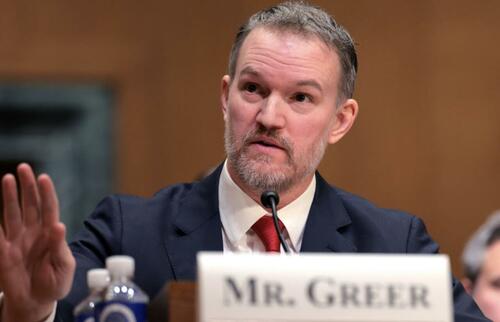
The discussion featured former Bridgewater head of commodities Alex Campbell, Brent Johnson of Santiago Capital, and was hosted by Tony Greer and Jared Dillian.
The Damage Has Been Done
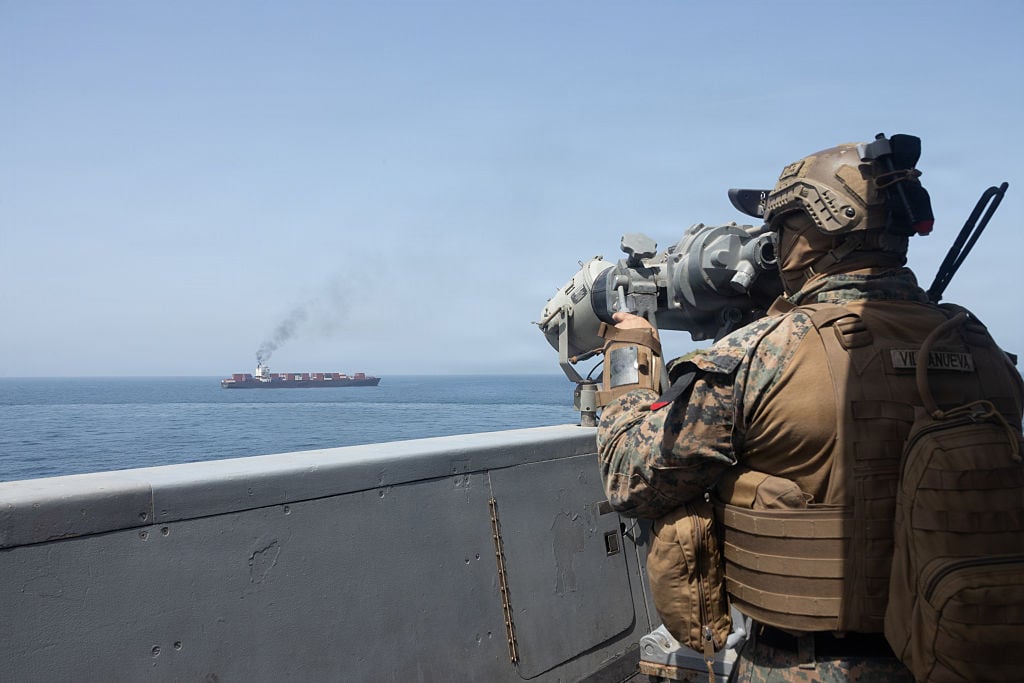
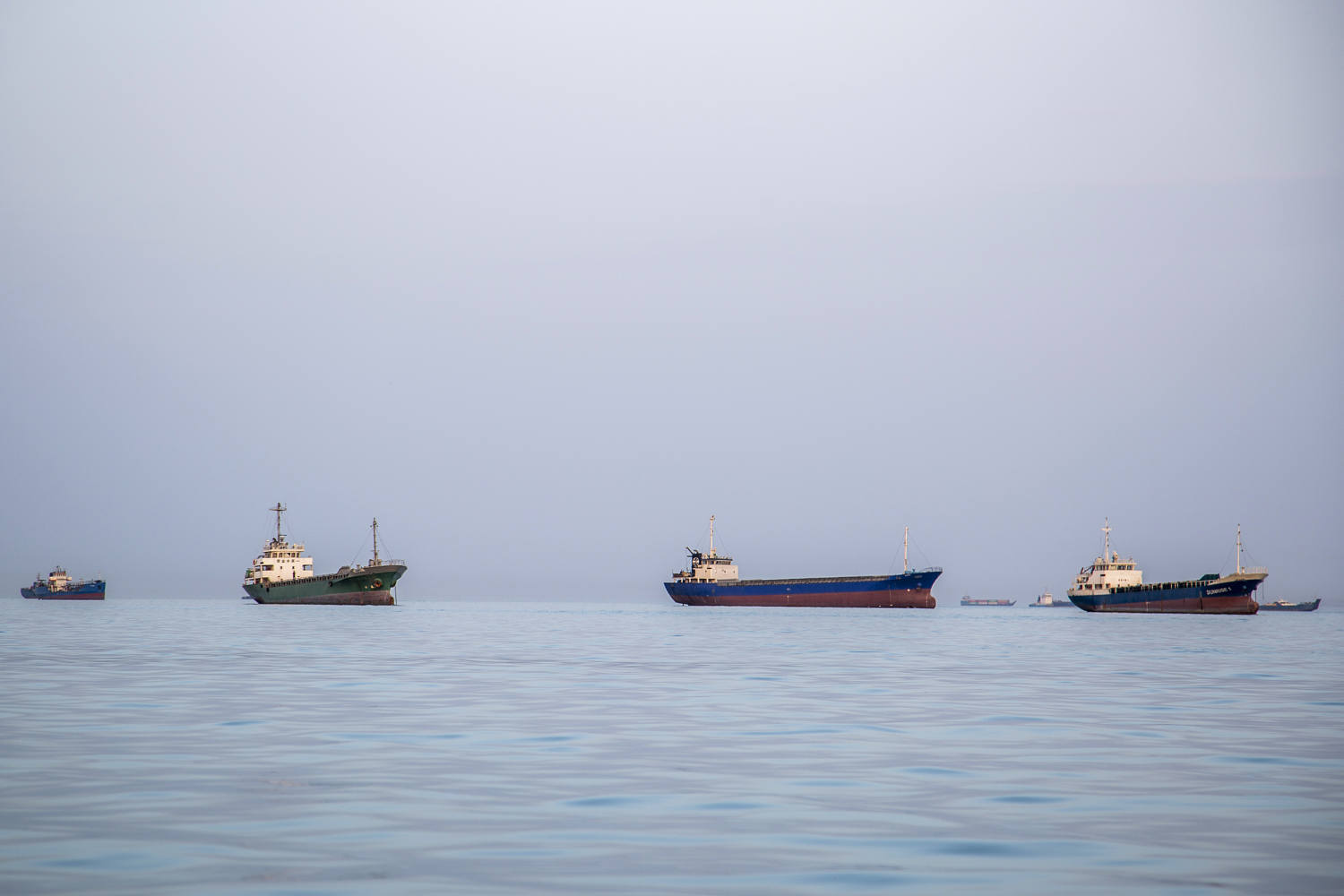
Even in a best case scenario where shipping lanes reopen immediately, Santiago Capital’s Brent Johnson says the damage is already embedded in the system.
“If everything opens tomorrow in the strait and goes back 100% to normal, there’s a five to six week open spot where ships are not arriving where they typically arrived.”
The warning came during last night’s ZH deep dive into a potential fertilizer and farming crisis, with possible Arab Spring-level disruptions in the Third World, but as Johnson said “the U.S. is not immune”.
Johnson joined Tony Greer and Jared Dillian of the Macro Dirt Podcast and former Bridgewater head of commodities Alex Campbell who now writes at campbellramble.ai. Here were the key moments for those short on time:
“Perfect Storm”
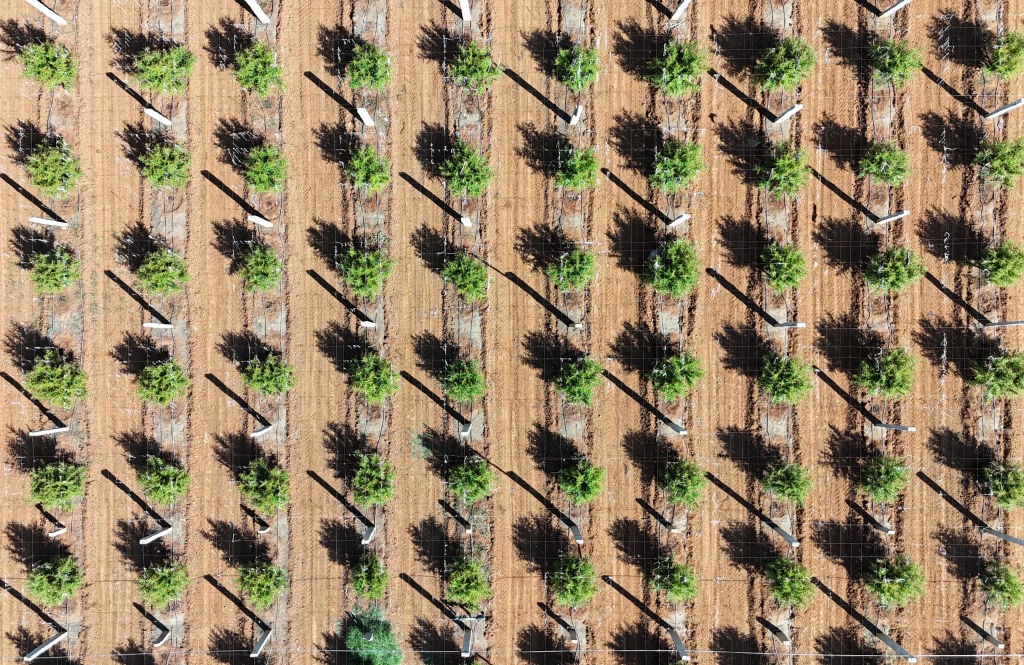
The five to six week wartime-gap (assuming that’s all) is colliding directly with the agricultural calendar.
Johnson: “The planting season is largely already over. And the fertilizers that would have normally been available were not. And those that were available were higher priced… You look at the number of bankruptcies that are being filed by farmers in the United States and it’s spiked.”
At the same time, weather risk is rising. “This is an El Niño year… and that throws all kinds of havoc with weather patterns.” The combination, he says, raises the probability of a delayed but meaningful shock.
“You could have a perfect storm six to nine months from now.”
Johnson points to prior episodes where similar conditions led to sharp price moves. “In 2007 and 2008, there was a food crisis… there was a supply disruption, a bad harvest, and policy decisions that diverted supply.” The result was significant inflation in staple commodities: “In 2007 and ‘08, rice spiked almost 200%. In 2010 and 11, wheat price went up 130%.”
“In all of these cases, you started to have social unrest” a la Arab Spring.
“When people are full and warm, they don’t typically protest. But when they’re cold and hungry, that’s when they start taking to the streets.”
— ZeroHedge Debates (@zerohedgeDebate) May 2, 2026
Arab Spring 2.0
“When I was looking at prior food crisis… 2007, 2008, 2010, and 2011… they were bad, but one of the reasons I think they could be worse now… at the time, those emerging markets and those developing countries were a lot more agrarian-based because that’s what they could afford.”
According to Johnson, over the past two decades, that standard of living… and importantly the expectation of a standard of living. “As they have moved into the middle class in places like China and India… they’ve gotten accustomed to having meat once in a while.”
Meat = more resource intensive. “People don’t really consume corn, but it’s a big part of the food stock that goes into poultry or beef… to grow the animal protein that people have gotten accustomed to eating.”
In developing countries, this could mean a reversion to poverty they’d expected was over:
“Now, if I have to suddenly start going back to just eating rice and I’m no longer having meat… I’m going to be pissed off.”
— ZeroHedge Debates (@zerohedgeDebate) May 2, 2026
To listen the full discussion where Brent, Tony, Jared, and Alex go deep into the weeds for how investors can hedge against this scenario, watch the full debate below or listen on Spotify.



































































































































































































































































































.jpg?branch=production&format=jpg&width=1024)






.jpg?branch=production&format=jpg&width=1024)















































































































































































































































.png?branch=production&format=jpg&width=1024)