Summary
-
Axios reports that the White House is nearing a preliminary deal with Iran to end the war, as Trump post appears to offer olive branch.
-
White House says it expects a response to the latest offer within 48 hours.
-
Iran's initial response via media & national security spox: US demands are unrealistic & do not reflect reality.
-
A key caveat of the US offered deal is that Iran would commit to a moratorium on uranium enrichment, & Washington wants a 20-year ban on this.
* * *
Trump Admits: 'Too Soon'
And now a bit of rapid narrative reversal, coming from President Trump himself, after once again a likely premature early morning Axios report with overly optimistic language. Trump's fresh words are via the NY Post:
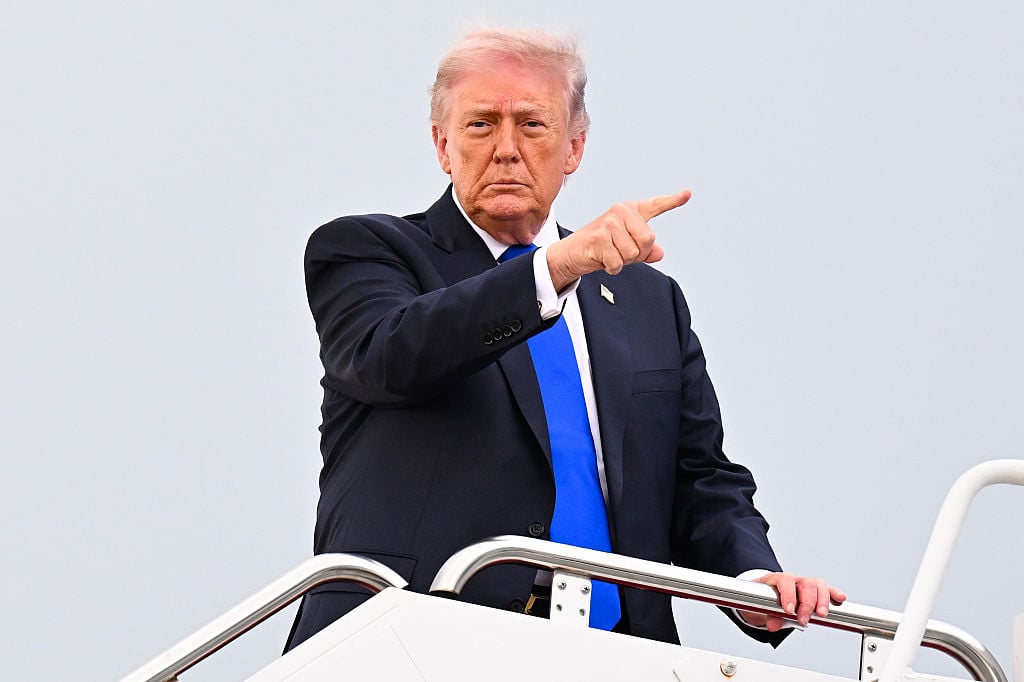
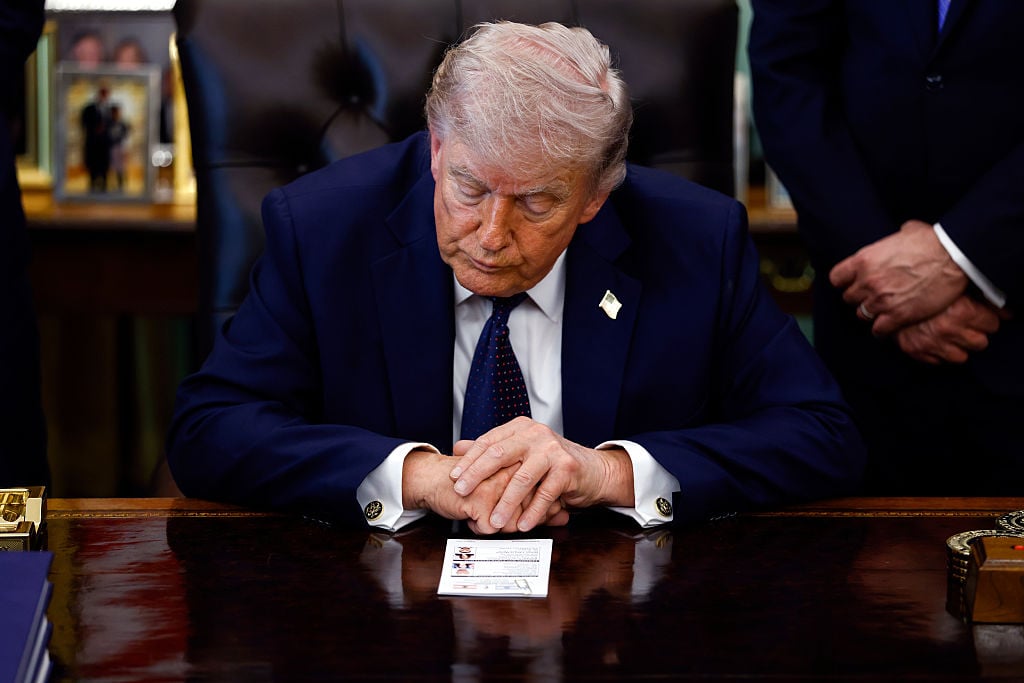
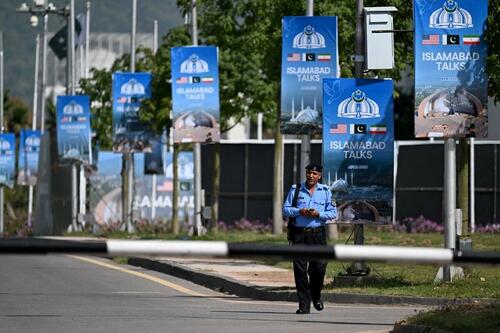
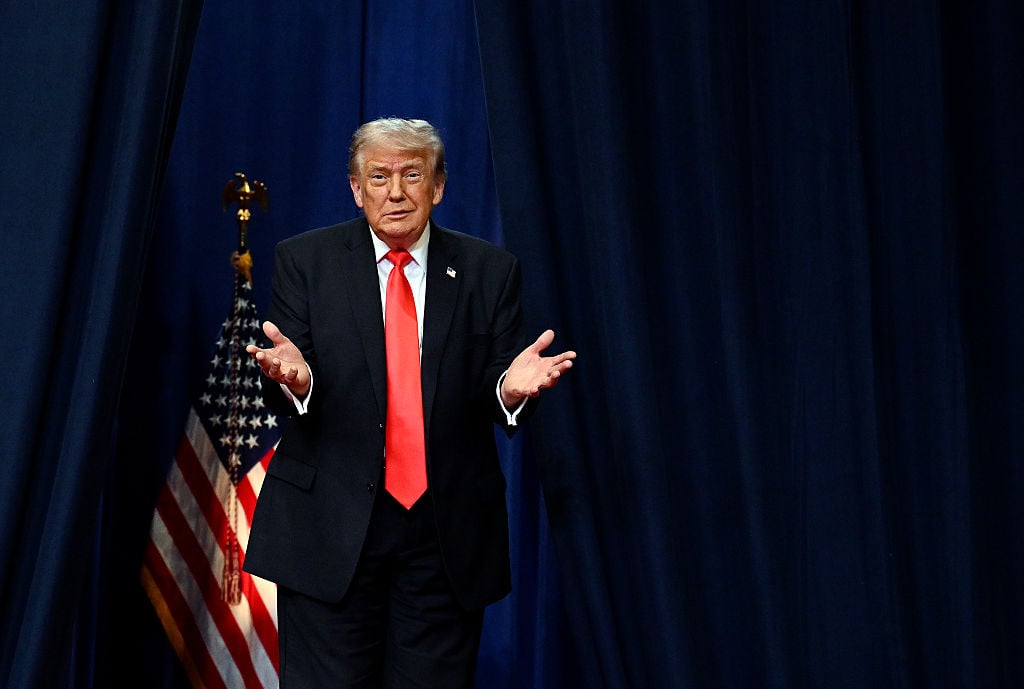
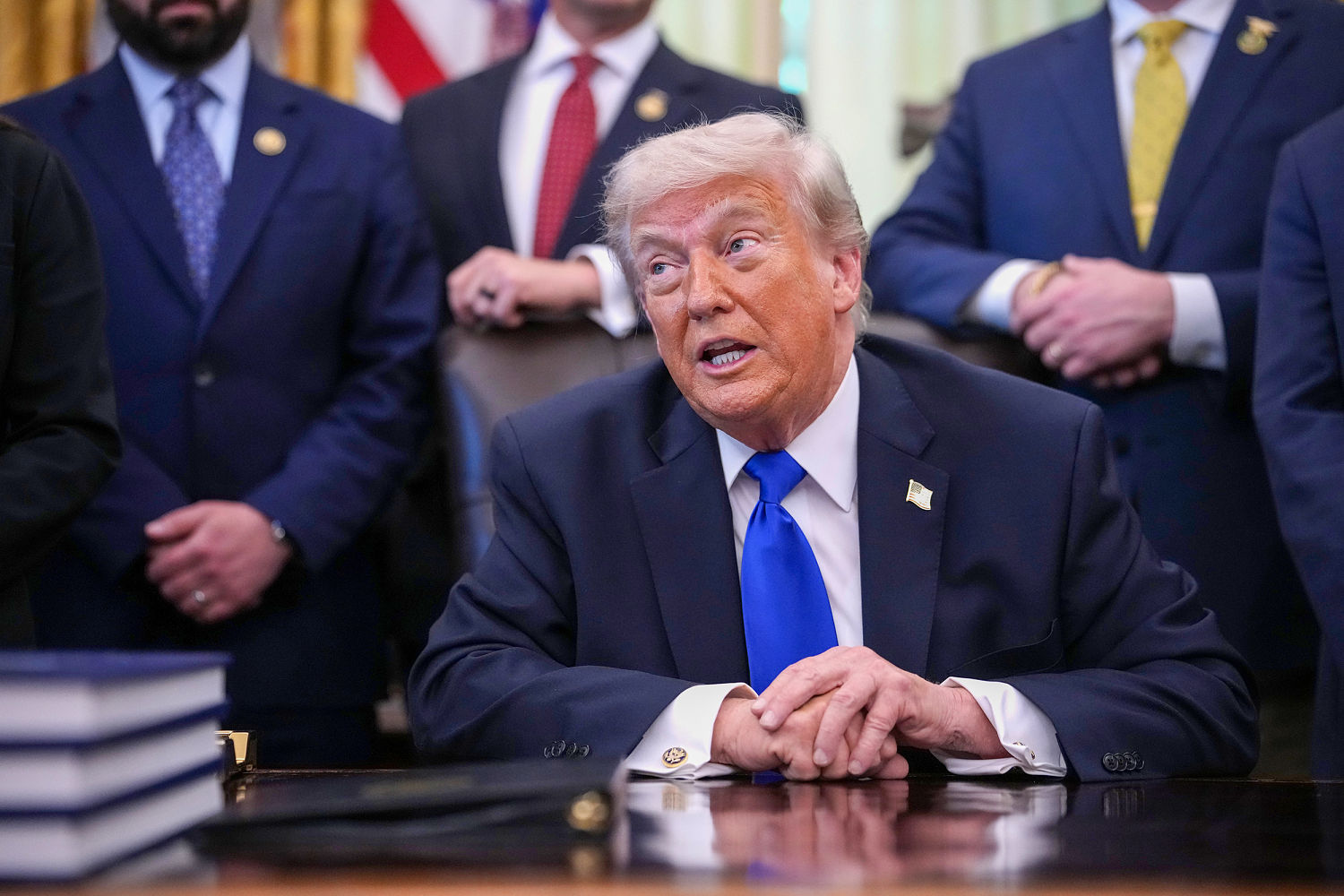
President Donald Trump said it’s "too soon" to plan peace talks with Iran despite reports of a near deal, downplaying prospects of imminent negotiations in Pakistan. He warned that if Iran accepts terms, hostilities could end and the Strait of Hormuz reopen—but failure to agree would trigger intensified military action.
Indeed the Iranian reaction issued via media reports also suggests this is the case, that all the talk of an agreement being close is premature, and there remains immense hurdles and a long way to go. Axios' Barak Ravid still insists that "the sources said this was the closest the parties had been to an agreement since the war began."
Initial Word From Tehran: Doesn't Reflect Reality
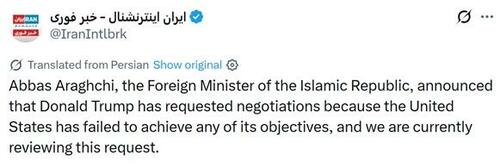
Iranian initial reaction through its media: "What US media outlets are publishing about the details of the negotiations does not reflect the reality of what is happening, according to AI Araby citing Iranian Sources."
"Progress has been made in talks with Washington through Pakistan, but it has not yet reached a level that would lead to an agreement," the statement says. The Iranians are also clearly sticking by their approach which says the nuclear issue is a non-starter and that talks must focus on opening Hormuz and finding a final end to the conflict. "The negotiations are focused on ending the war, not the nuclear issue," the statement in Al Araby continues.
And then the final criticism of Washington's approach: "The negotiations are still facing the intransigent American approach and excessive demands." And further, this:
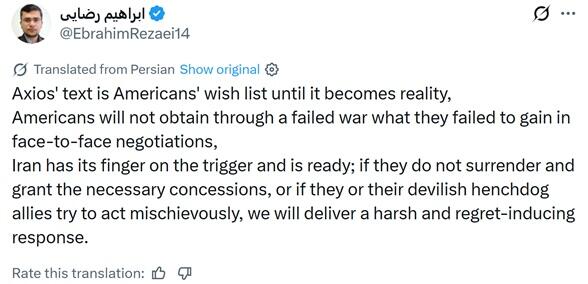
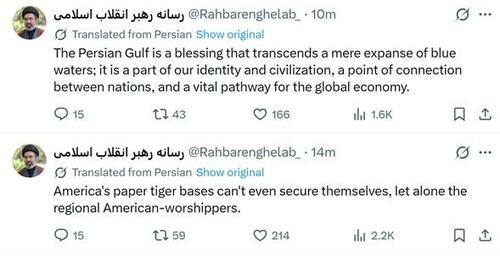
Ebrahim Rezaei dismissed U.S. demands as unrealistic, saying Washington won’t gain through conflict what it failed to secure in talks. He added Iran is ready to act and warned of a severe, regret-inducing response to any provocation.
Here is the full statement from the Iranian Spokesperson of the National Security and Foreign Policy Commission (via machine translation):
Trump Issues Carrot & Stick
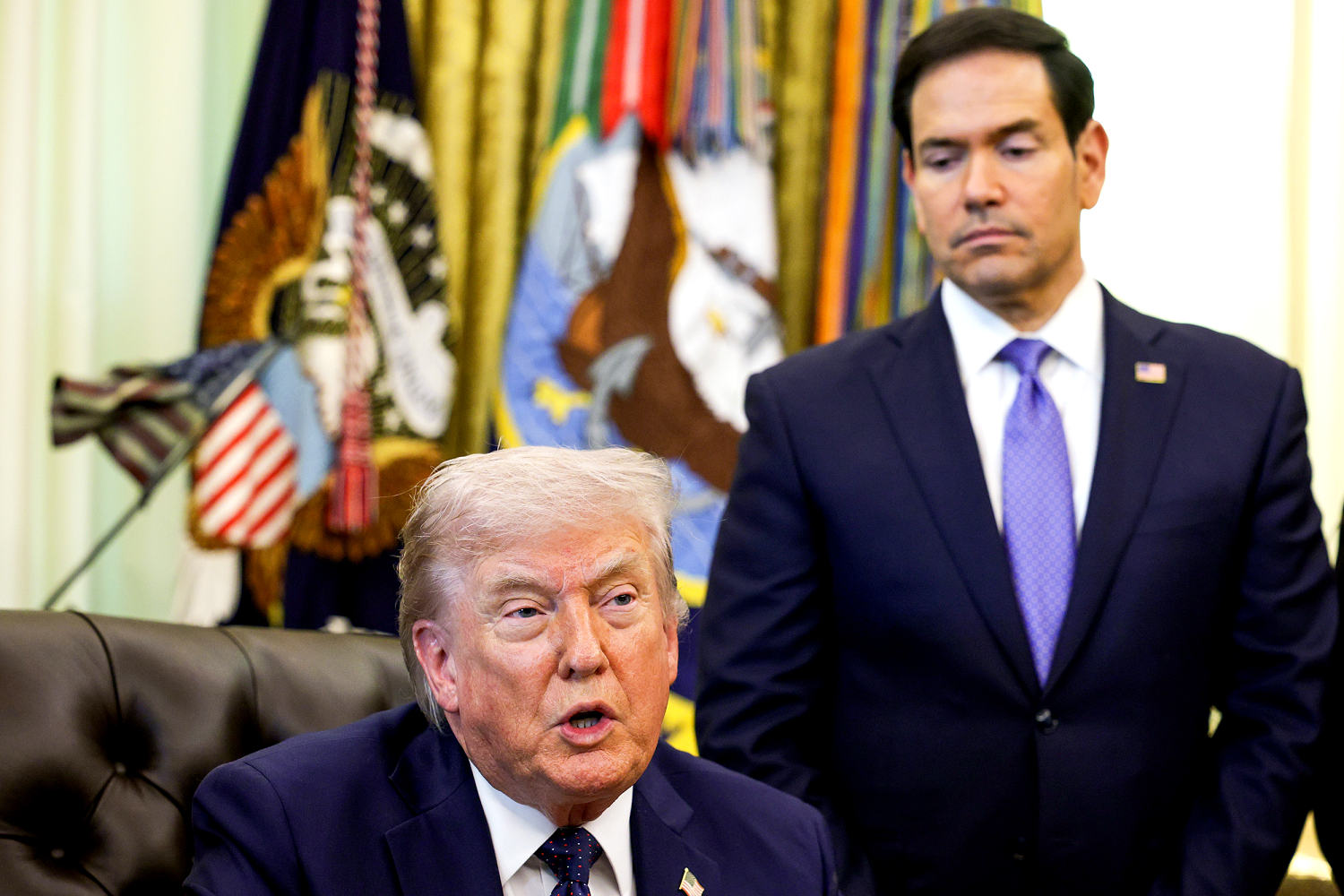
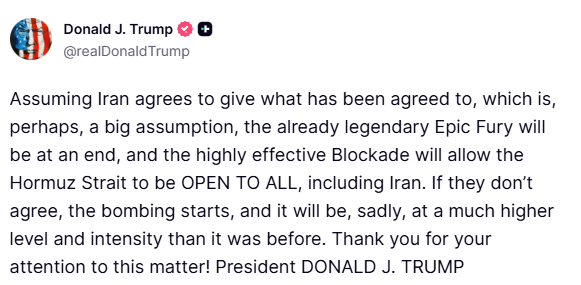
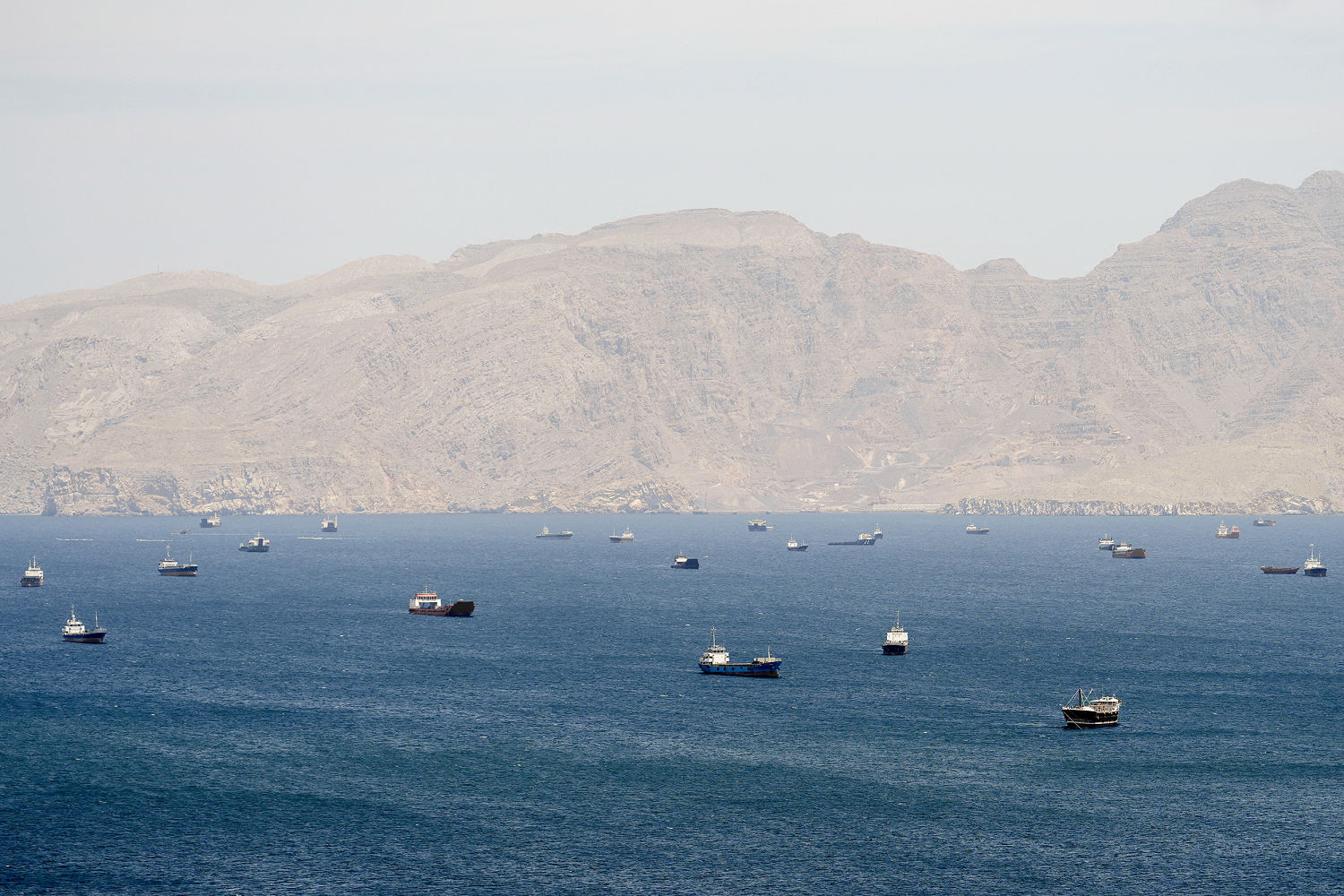
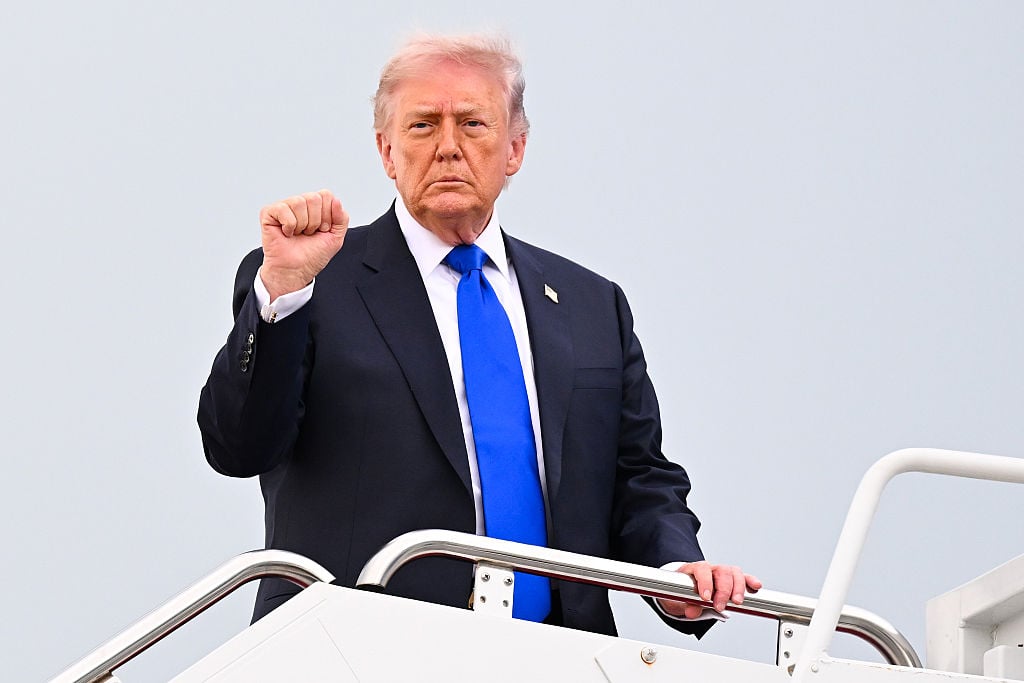
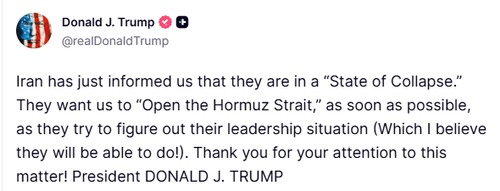
The below is a fresh Trump Truth Social Post on Wednesday morning, warning the Iranians that the Hormuz Strait must be "open to all". However, the president continues, if Tehran doesn't agree then "the bombing starts" and it will be at a "much higher level and intensity than it was before".
All of this has followed an awkward 24 hours of drastically different signals coming from various top officials of the US administration.
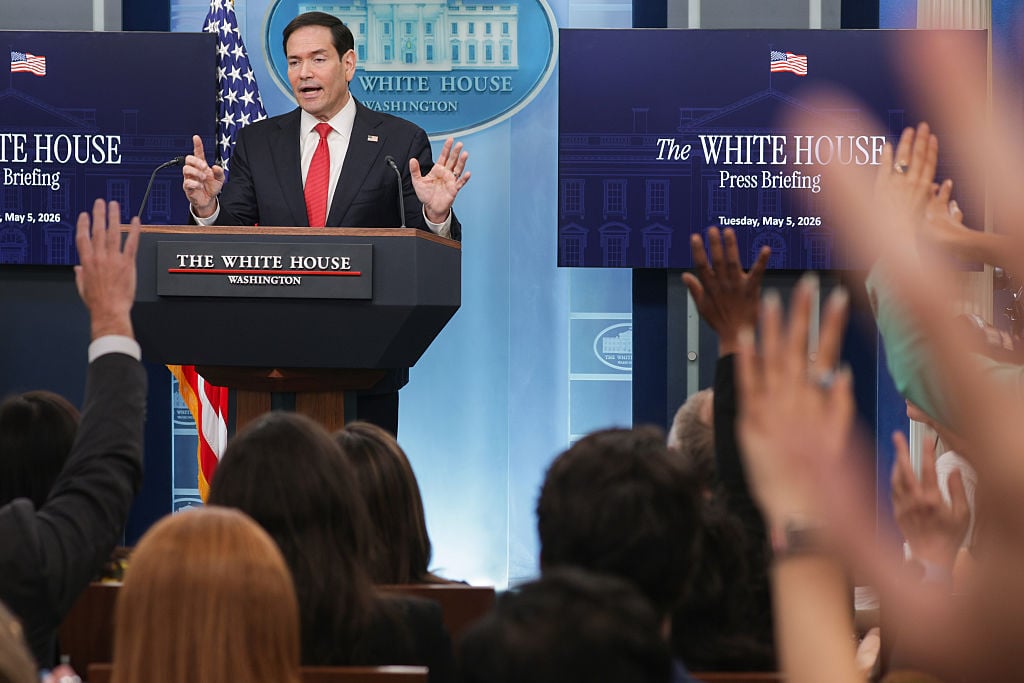
Marco Rubio says the goal of the war in Iran is now to restore it "back to the way it was" before Trump started the war in Iran pic.twitter.com/G1E9qyxMc4
— Headquarters (@HQNewsNow) May 5, 2026
WH Expects Iranian Response In Next 48 Hours
Axios reports that the White House is nearing a preliminary deal with Iran to end the war. This is based on a 14-point, one-page memorandum that creates a 30-day negotiating window for a broader nuclear and Strait of Hormuz deal and follows President Trump's announcement last night of "great progress" and a "complete and final" deal nearing.
"The U.S. expects Iranian responses on several key points in the next 48 hours.
Nothing has been agreed yet, but sources said this was the closest the parties had been to an agreement since the war began," Axios wrote in the report.
Here are the key points:
-
Iran would commit to a moratorium on uranium enrichment. The duration is still under negotiation, with the U.S. pushing for 20 years, Iran offering five, and sources suggesting 12 to 15 years may be the likely spot.
-
Iran would also pledge not to seek nuclear weapons, accept enhanced inspections, potentially halt underground nuclear facility operations, and possibly remove highly enriched uranium from the country.
-
The U.S. would gradually lift sanctions and release billions of dollars in frozen Iranian funds.
-
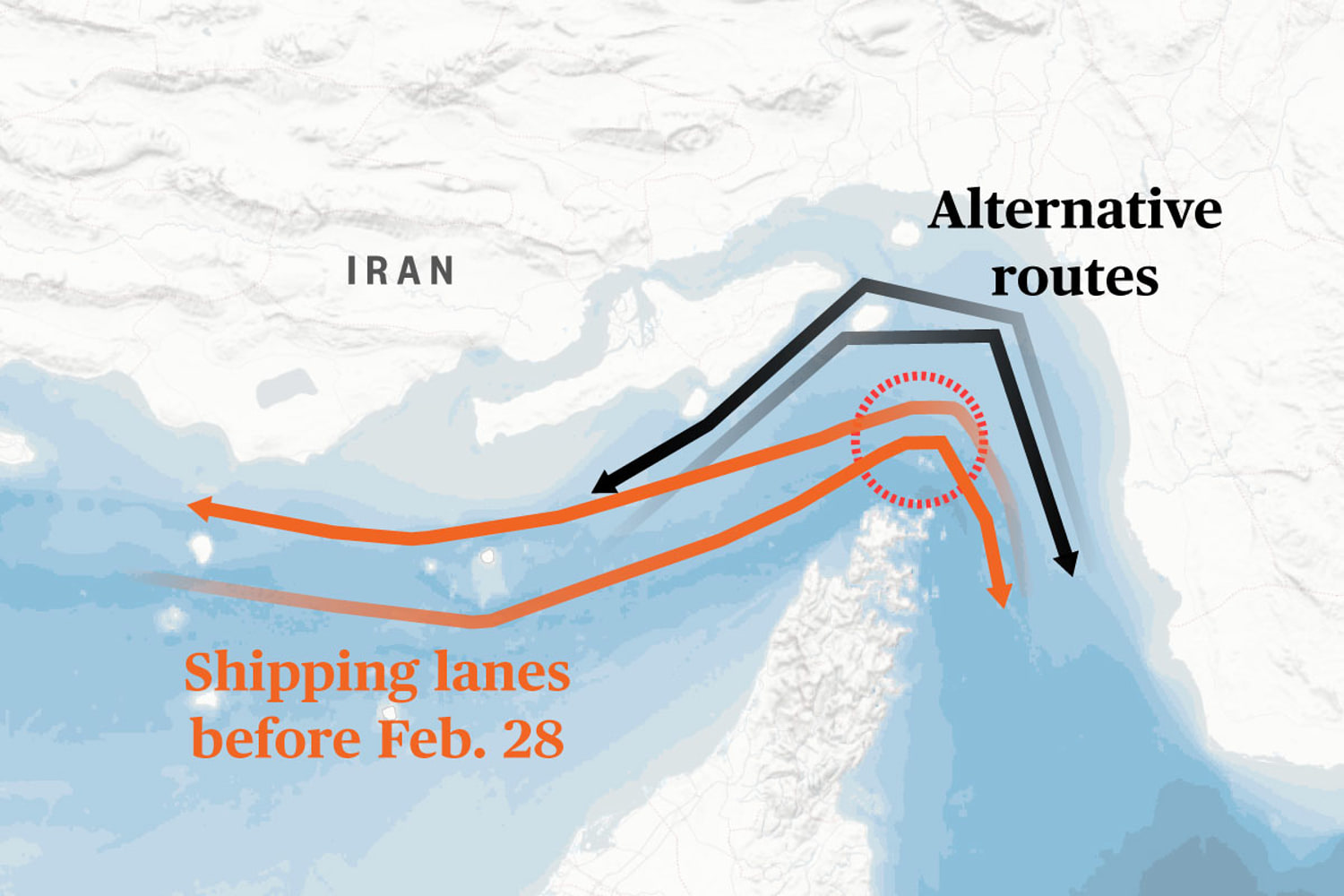
Shipping restrictions through the Hormuz chokepoint and the U.S. naval blockade would be gradually lifted during the 30-day talks. If negotiations fail, U.S. forces could restore the blockade or resume military action.
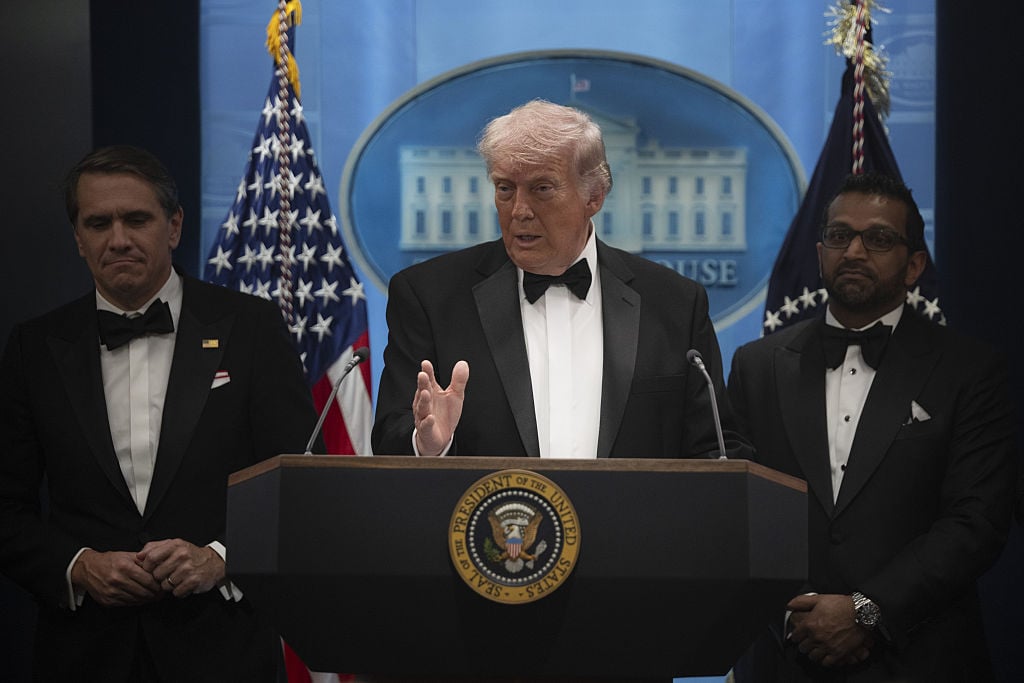
Axios said talks are being led by Trump envoys Steve Witkoff and Jared Kushner with top Iranian officials, both directly and through mediators.
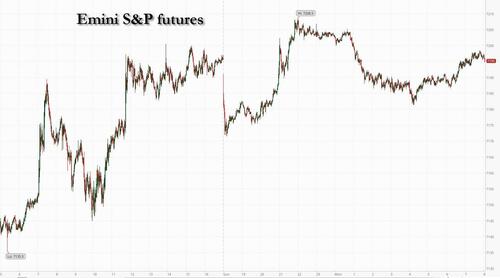
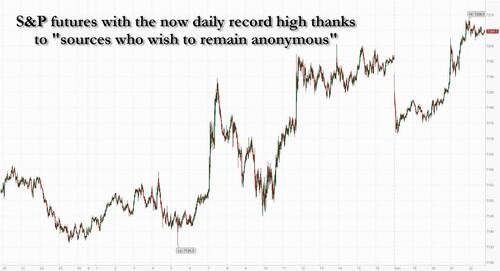
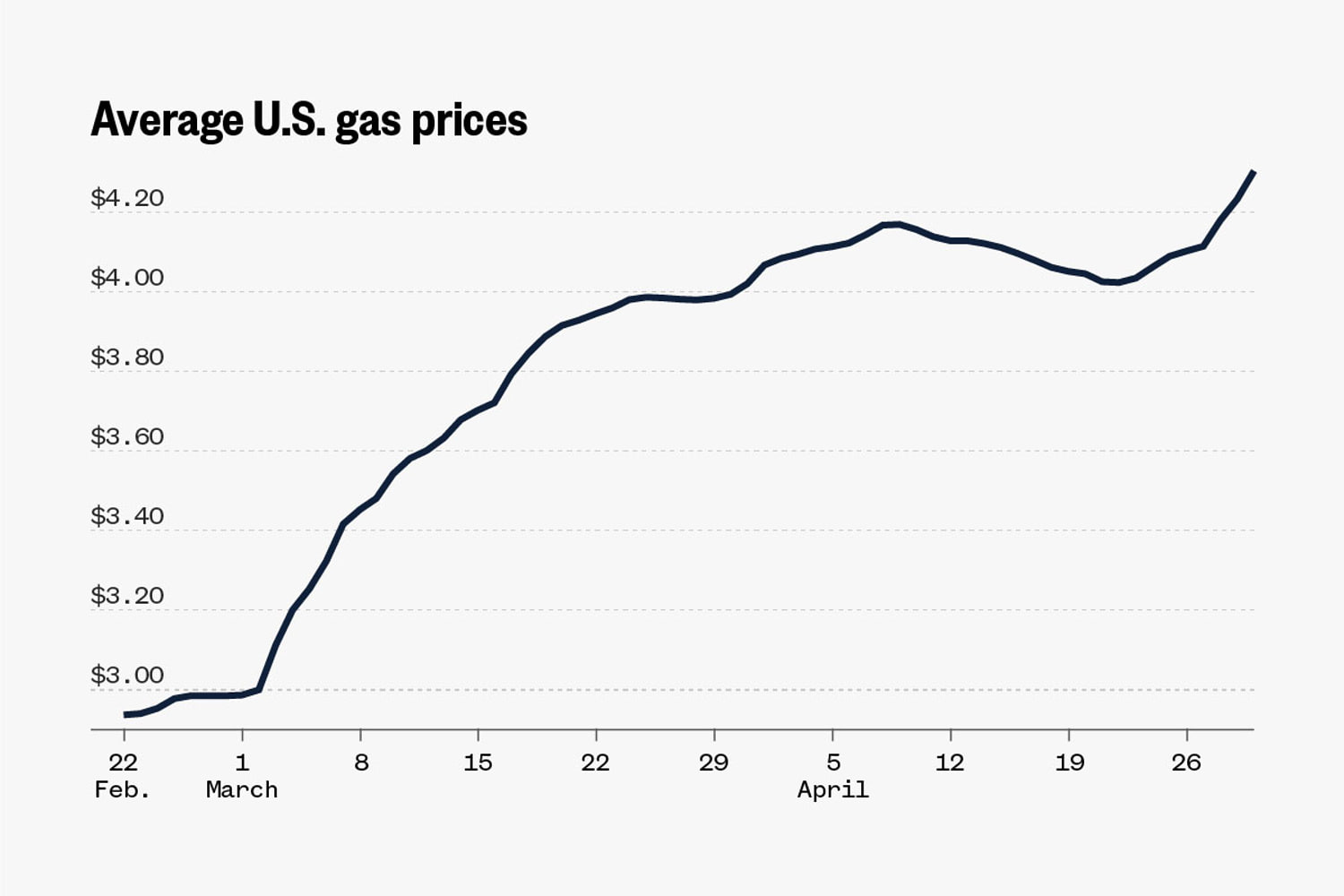
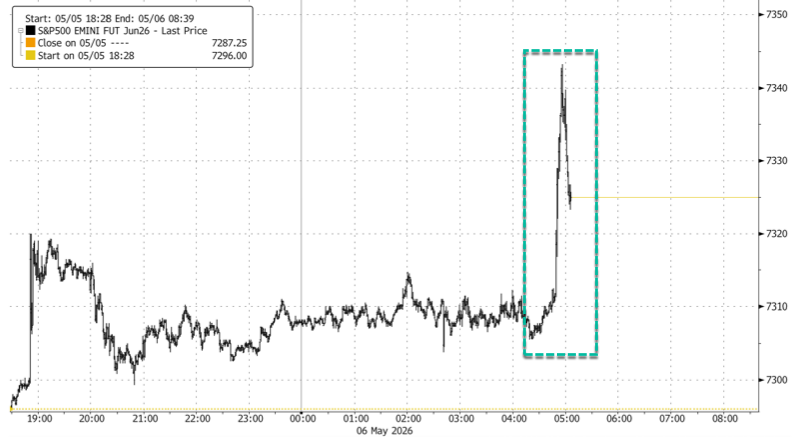
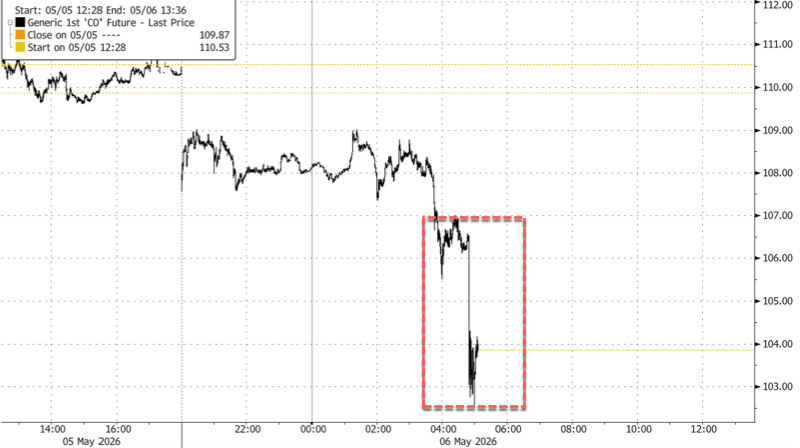
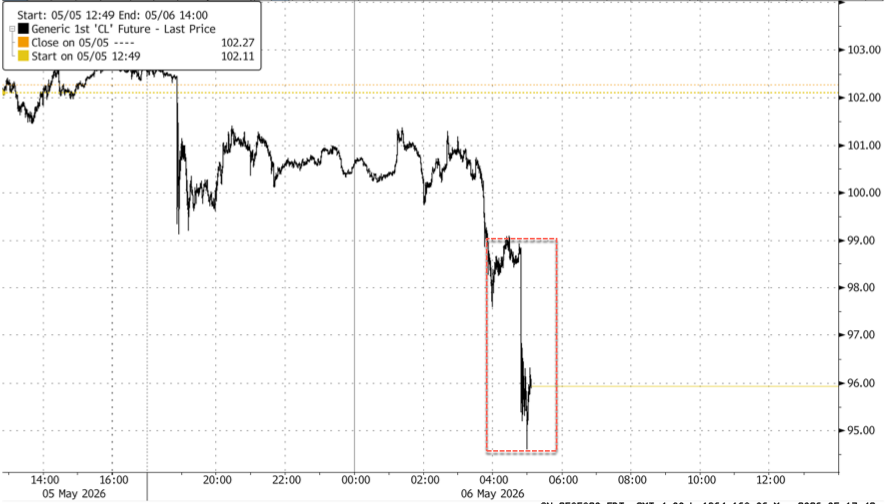
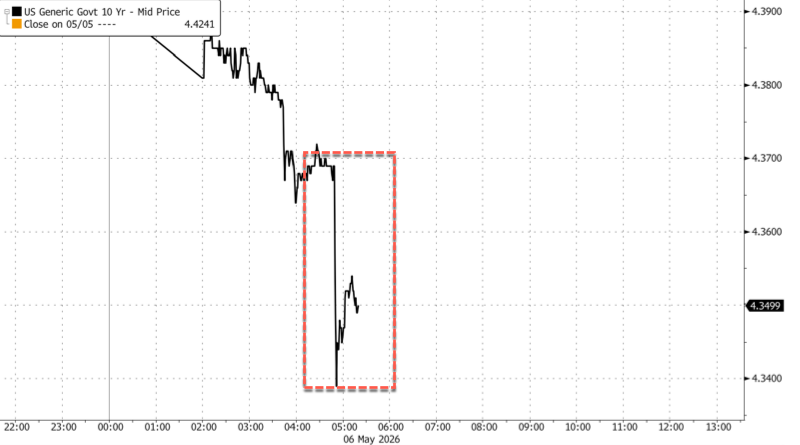
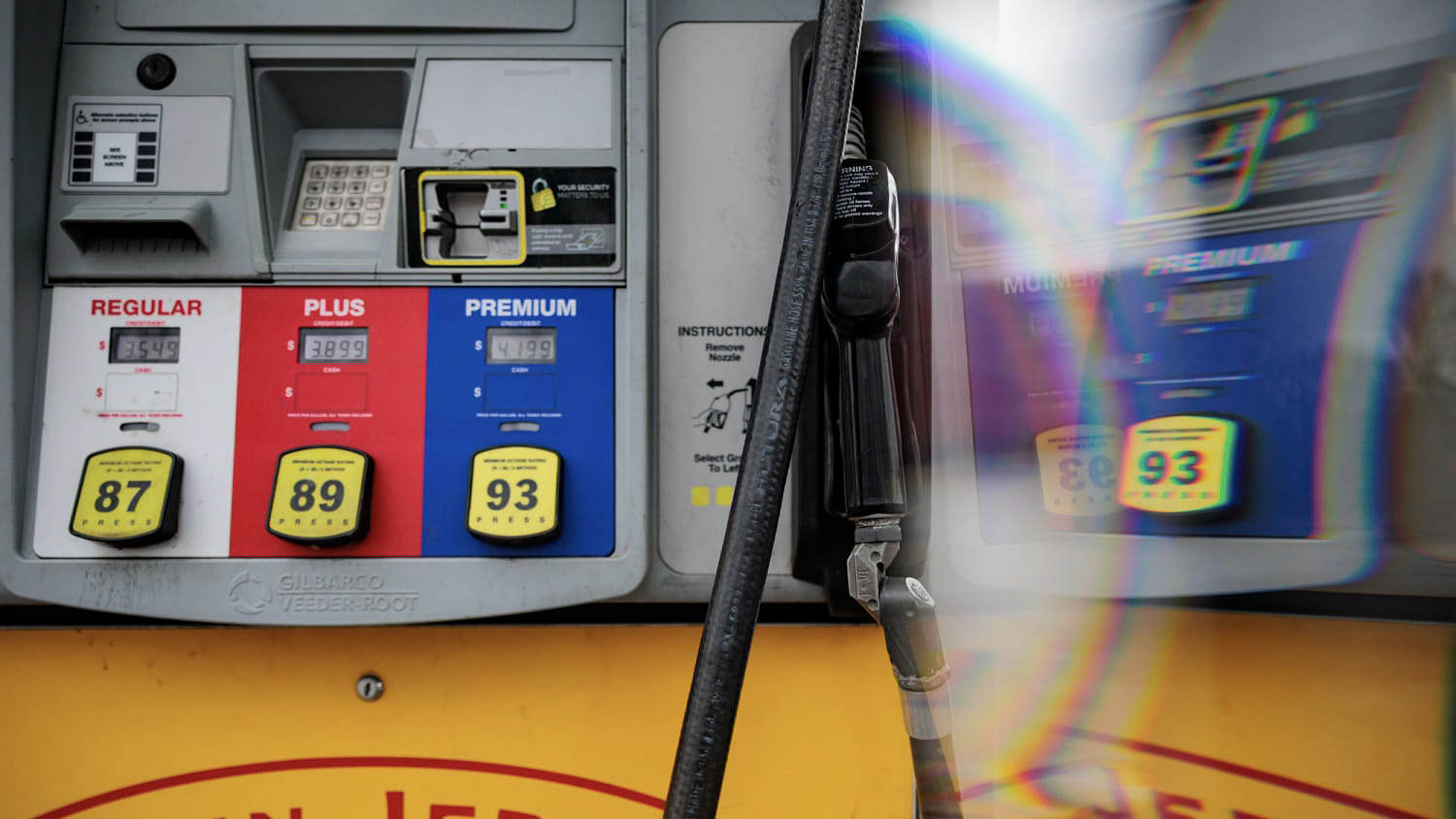
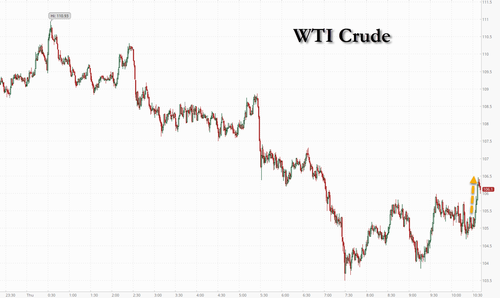
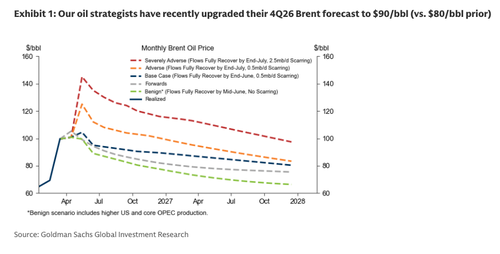
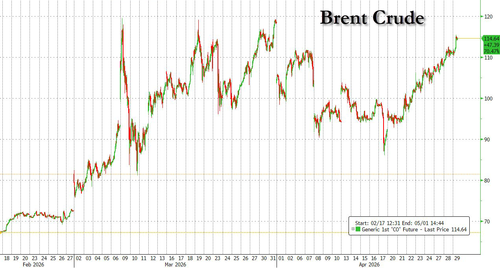
News of this sparked risk on in U.S. equity index futures, WTI fell to the $95-a-barrel handle, and U.S. Treasury yields dipped.
Market Response:
S&P500 Futs
Brent Futs
WTI Futs
UST10Y
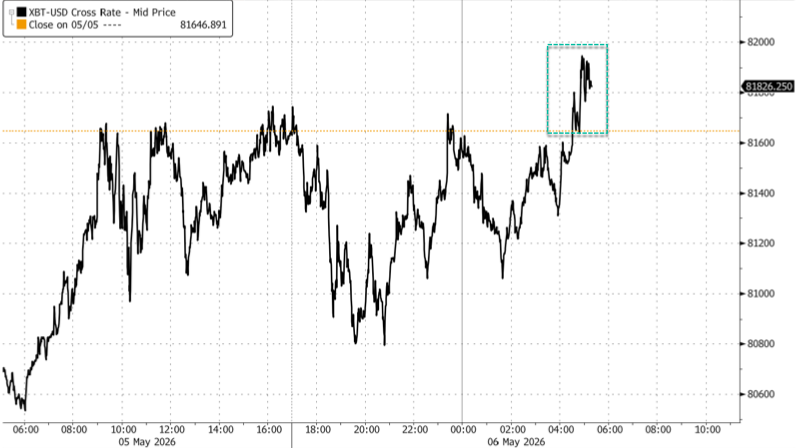
BTC/USD
developing...














































.png?branch=production&format=jpg&width=1024)












































































































































































































































































































































































































.jpg?branch=production&format=jpg&width=1024)






.jpg?branch=production&format=jpg&width=1024)