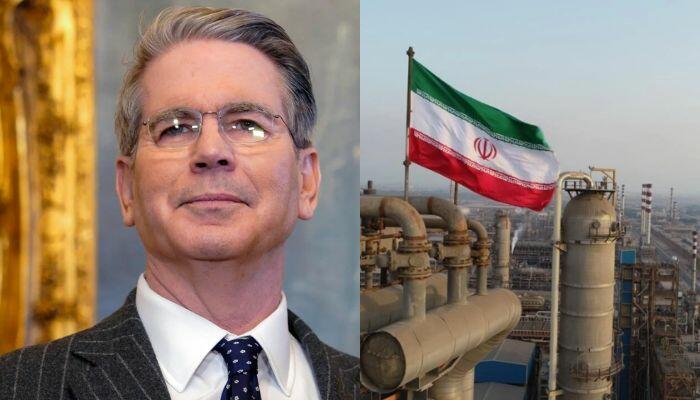
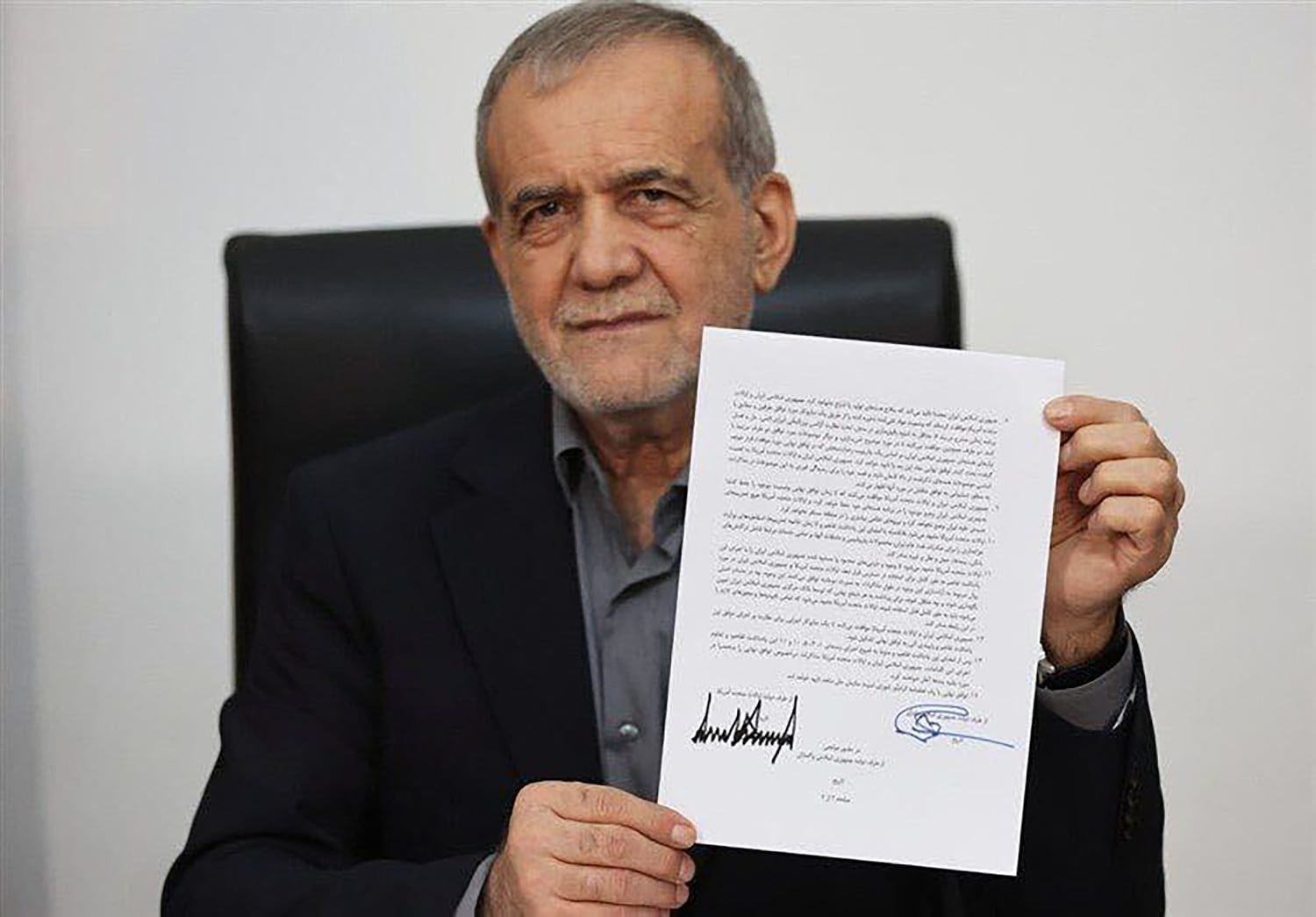
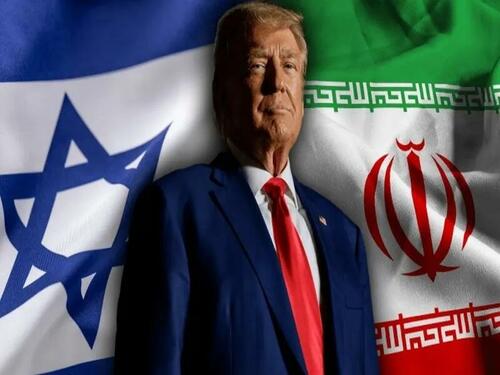
There remains a major divergence in how Iran and the United States are interpreting the results of the MoU signing in the wake of the historic Switzerland peace talks, as lower-level teams remain in place to hammer out the technical details of the agreement.
The divergence/contradiction continues to be seen in not only the latest statements from President Trump himself, but also from the US Treasury:
US Treasury Secretary Scott Bessent has insisted that a large portion of unfrozen Iranian assets would go towards purchasing US food and medicine, despite claims from Iranian officials that they have made no such commitment.
“Any money that the Iranians get is going to be used, first, for the benefit of the Iranian people,” Bessent told CNBC.
It must be remembered that the "Iranian people" that Washington claims to look out for were subject to many weeks of heavy US-Israeli bombing raids, in which men, women, schoolgirls, and children were killed in mass casualty events.
Likely the funds will be distributed through Qatar - and Bessent also emphasized in the CNBC remarks that "A very large percentage of it will go to buy US foodstuffs and medicine."
He said further, "So we will be recycling the money back into US products."
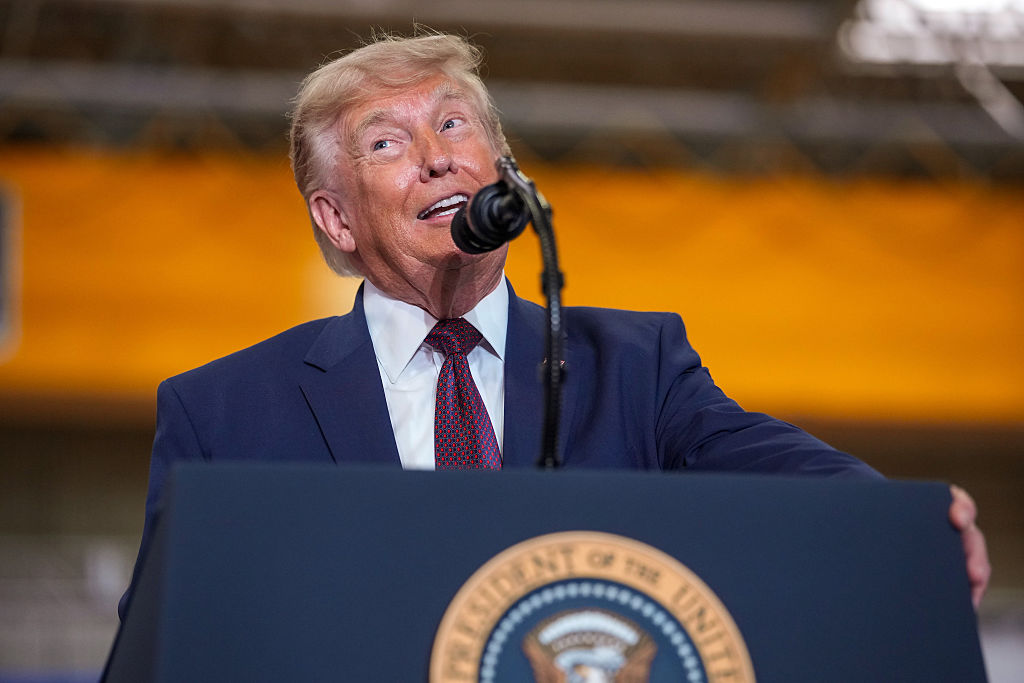
On Monday, President Trump said that "If the sanctions go out, money is going to be put into this country,” Trump said. “All that money is coming back in the form of purchases of food, which they desperately need… The money that we lift is going to go to our farmers, largely to our farmers."
But once again this is a situation where Iran's public-facing rhetoric obviously doesn't match up. Nothing regarding the Iranian position has changed:
But the Iranians deny that's part of the deal. A spokesperson for the Iranian Foreign Ministry, Esmail Baghaei, said any agricultural purchases would be based on “prices and quality,’’ not terms dictated by Washington.
“It is interesting that the philosophy and goal of the war, which was the destruction of the Iranian civilization and the collapse of Iran, has become enriching American farmers,” Baghaei said.
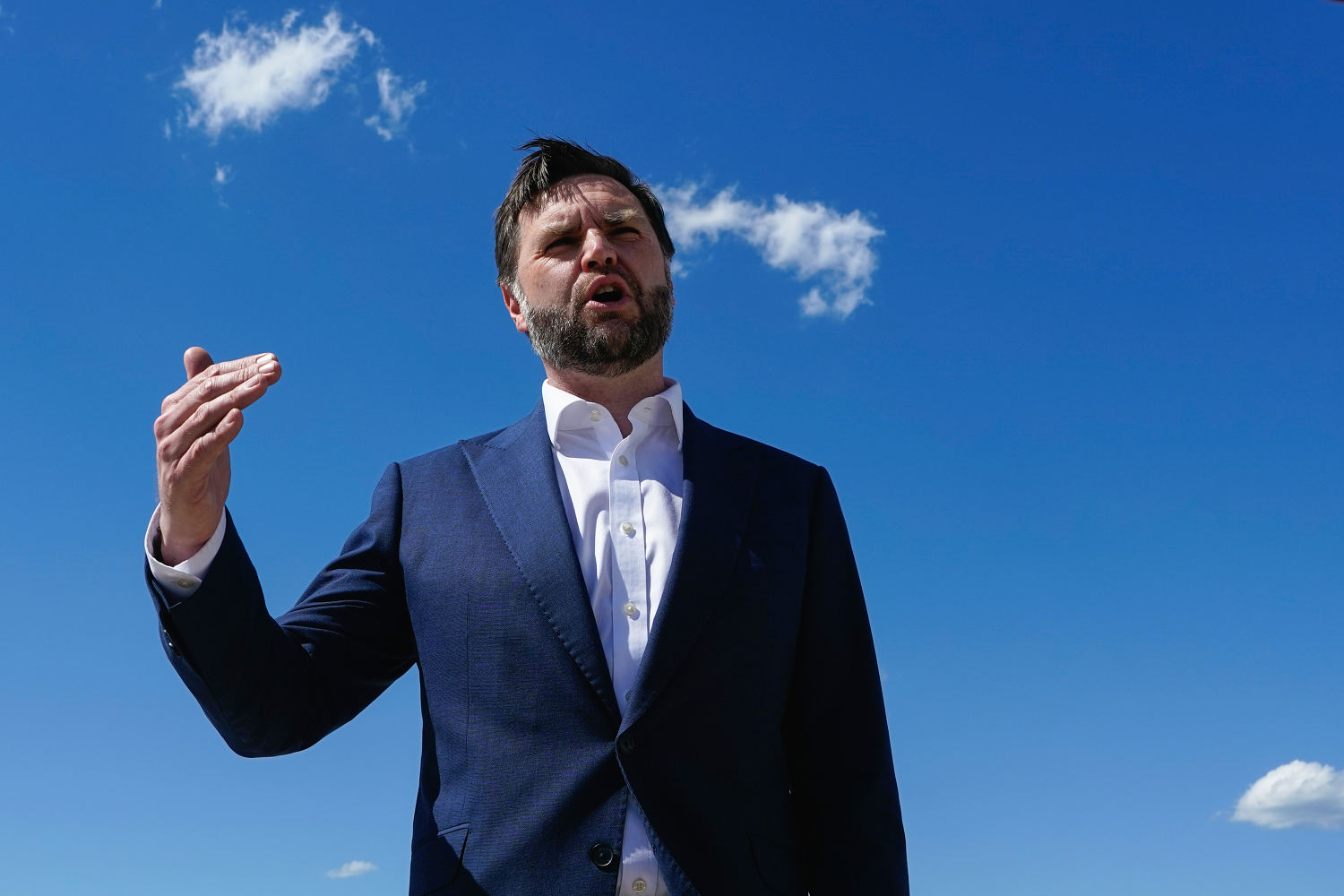
Iran’s ambassador in Geneva, Ali Bahreini, rejected Vance’s contention that the U.S. and Qatar would dictate how Iran uses unfrozen funds. “Iran is the only country who decides what to do with those assets,” he told reporters.
As a reminder, in total a whopping $50 billion could eventually be released under the MoU framework - something which will drive Republican hawks mad. Al Jazeera reported Tuesday, citing the Iranian side:
A spokesperson said the agreement would allow Iran access to previously frozen assets, although the US says restrictions would remain in place under the arrangement.
According to sources familiar with the negotiations, two separate tranches of $6bn were originally agreed in Doha, with the final signing ceremony intended to take place in Switzerland. The Iranian spokesperson now says that process has been completed.
Under the reported framework, an initial $12bn in Iranian funds would be released. During the 60-day negotiation period, a further $12bn could be unlocked. If the parties ultimately reach a final agreement, the value of sanctions relief and released funds could reportedly rise to as much as $50bn.
Another point of disagreement remains the entry of IAEA nuclear inspectors into the Islamic Republic. Vance had hailed Tehran already agreed to this, while Iran's leaders are in effect saying not so fast.
It's but one of several major contradictions in public rhetoric coming from either side in the wake of the top-level round one meeting in Switzerland.





.jpg?branch=production)







































































































.jpg?branch=production)






























































































































































.png?branch=production)