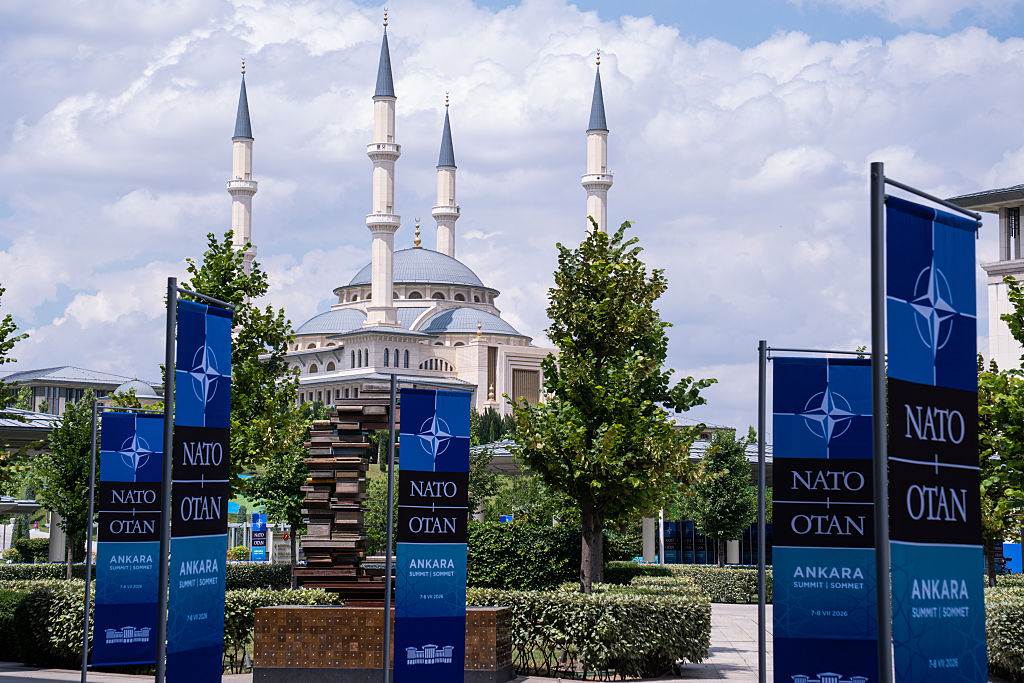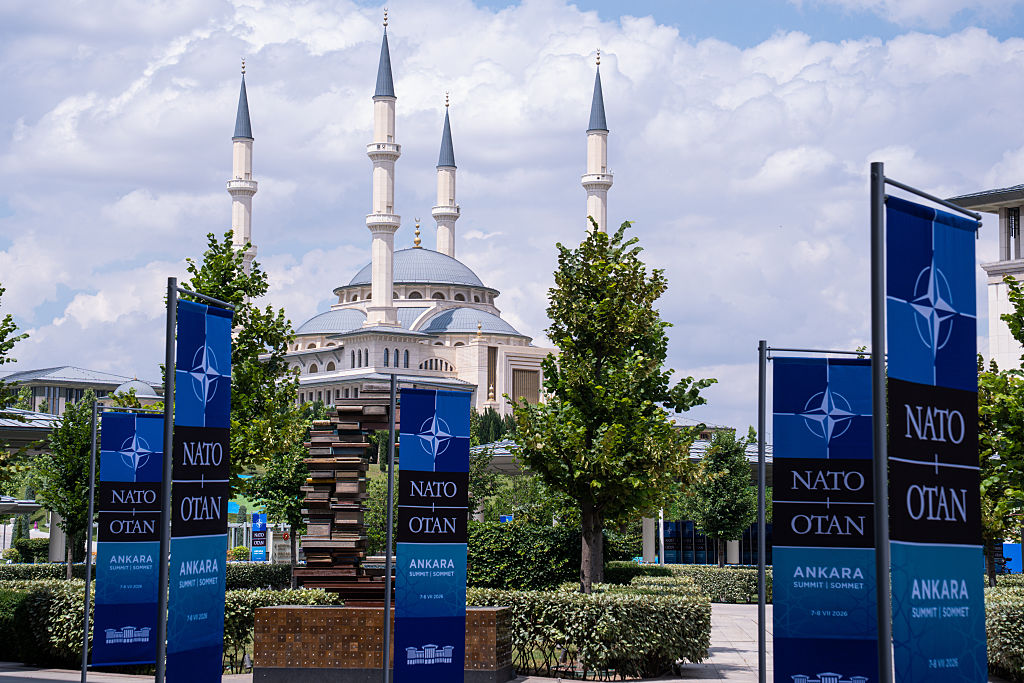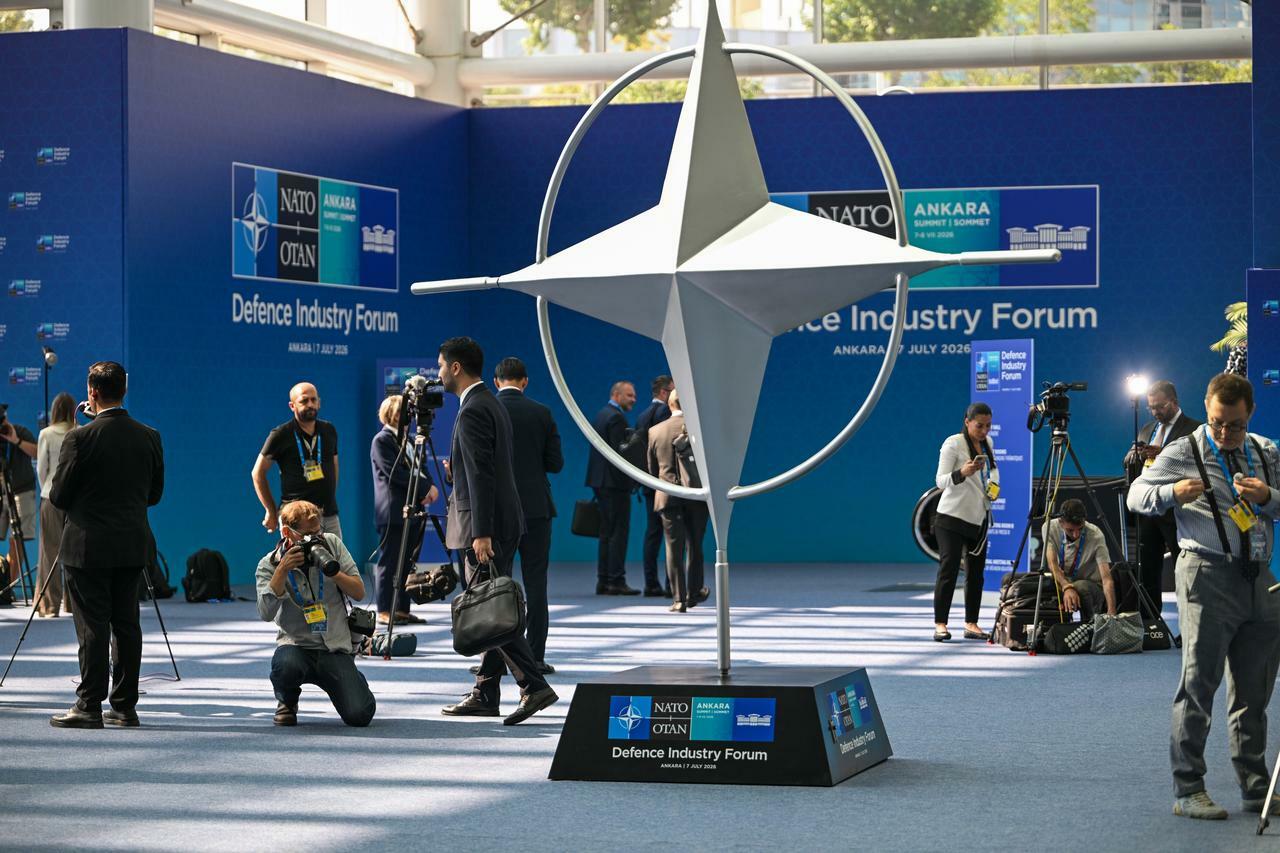
NATO leadership has this week made clear where it plans to invest a bulk of defense and tech-related funds in the coming years, while making express reference to lessons learned from the Russia-Ukraine battlefield.
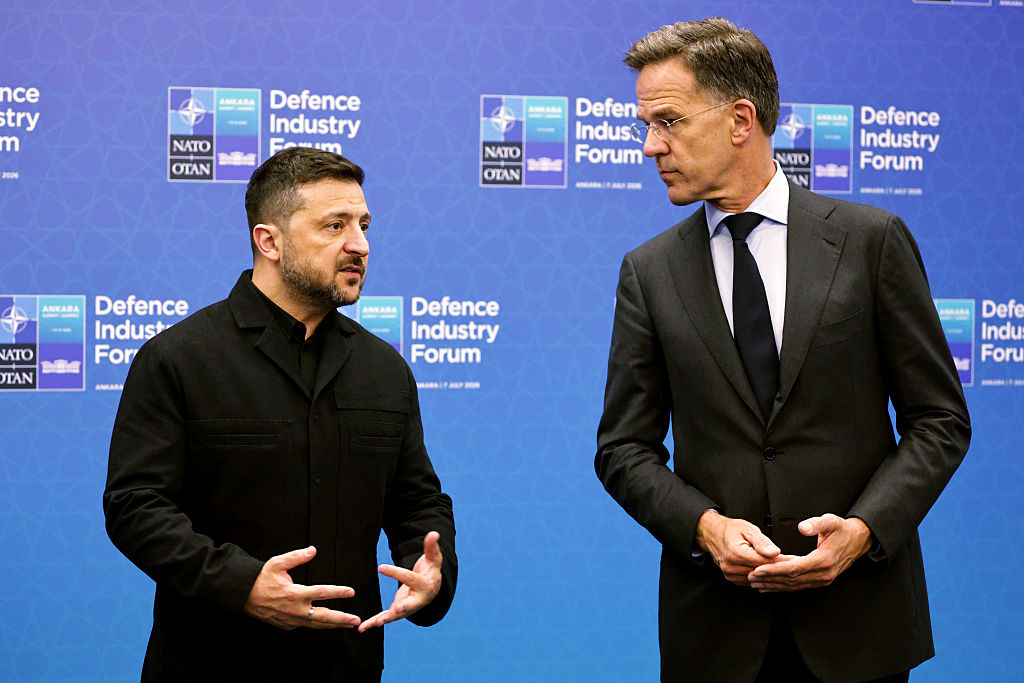
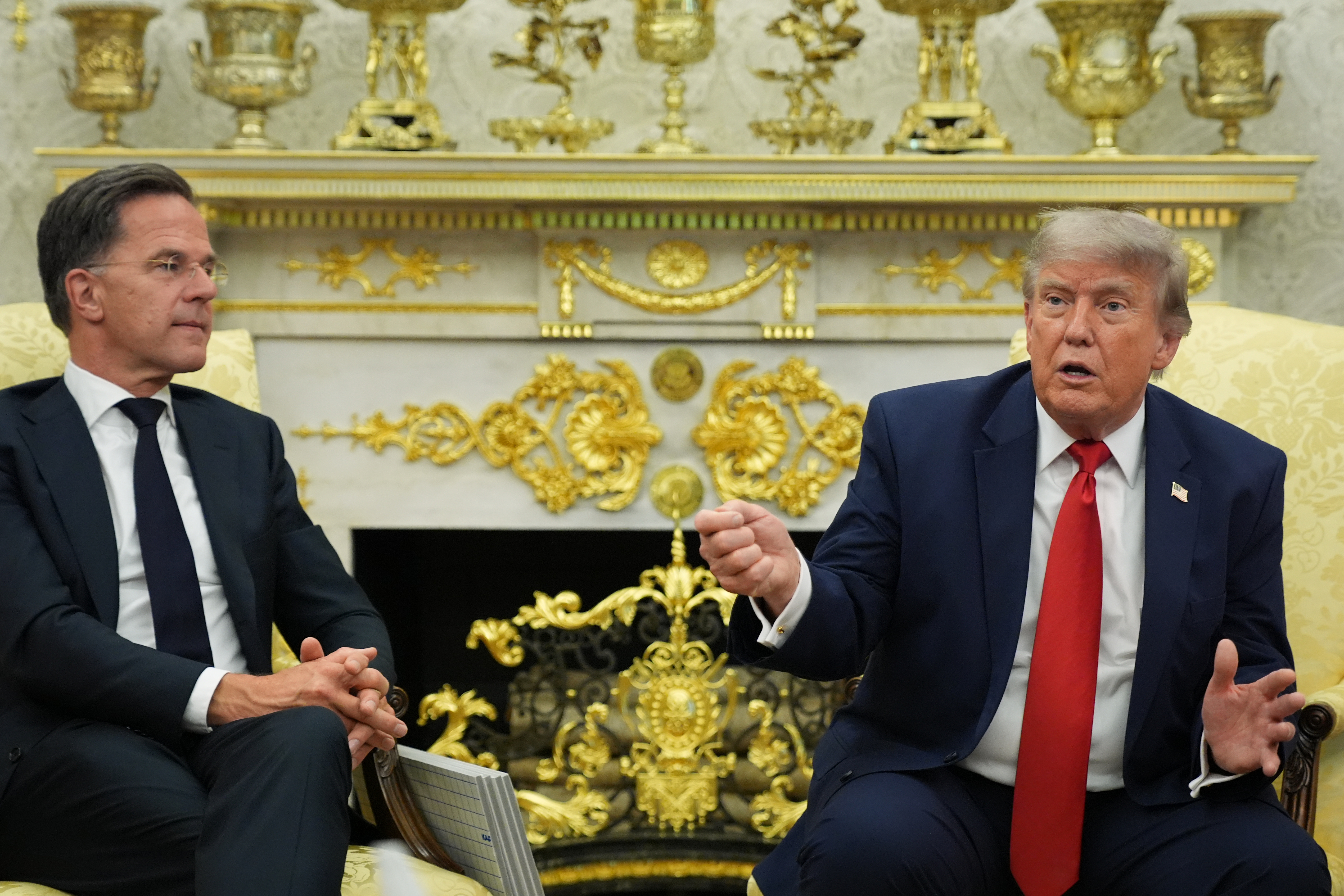
The alliance's Secretary General Mark Rutte said Tuesday that drone warfare is the next great expanse in NATO capabilities. He touted that member states are unveiling "major new projects" worth "literally billions of dollars" at the Ankara summit. "These are billions that are invested in our security, boosting our economies and supporting hundreds of thousands of new jobs," Rutte stated. "It’s money well spent."
He unveiled that among the projects include the NATO future procurement of five "high-end, high-altitude and long-endurance uncrewed aircraft" from Northrop Grumman.
Defense News reviews:
Built by Northrop Grumman, the MQ-4C Triton is a high-altitude, long-endurance UAV specifically designed for maritime surveillance over vast stretches of sea.
According to Rutte, the aircraft will help NATO detect threats early, protect sea lines of communication, and support operations in demanding regions, such as the High North. "These aircraft can fly for long periods at high altitude and cover large areas, including over open water, more efficiently than most other aircraft can," he said at the event, organized to coincide with the NATO summit this week.
Rutte stressed that intelligence, surveillance and reconnaissance (ISR) is a vital capability for the alliance, as it provides the situational awareness needed to make the right decisions and stay ahead of threats. "Today, allies are taking a concrete step to strengthen this capability," he added.
An additional project area outlined by Rutte involves 40 billion dollars' worth of investment in "counter-drone capabilities over the next five years," the alliance additionally said in a statement.
Another drone-focused initiative is a goal for allies to "train five times as many drone operators by the end of 2027." This is where the Ukraine experience seems to have deeply informed NATO doctrine and direction.
"Drones have fundamentally altered the character of modern warfare and become a decisive factor on the battlefield," the alliance said in its statement. "These initiatives will be essential to increase both Alliance readiness and resilience."
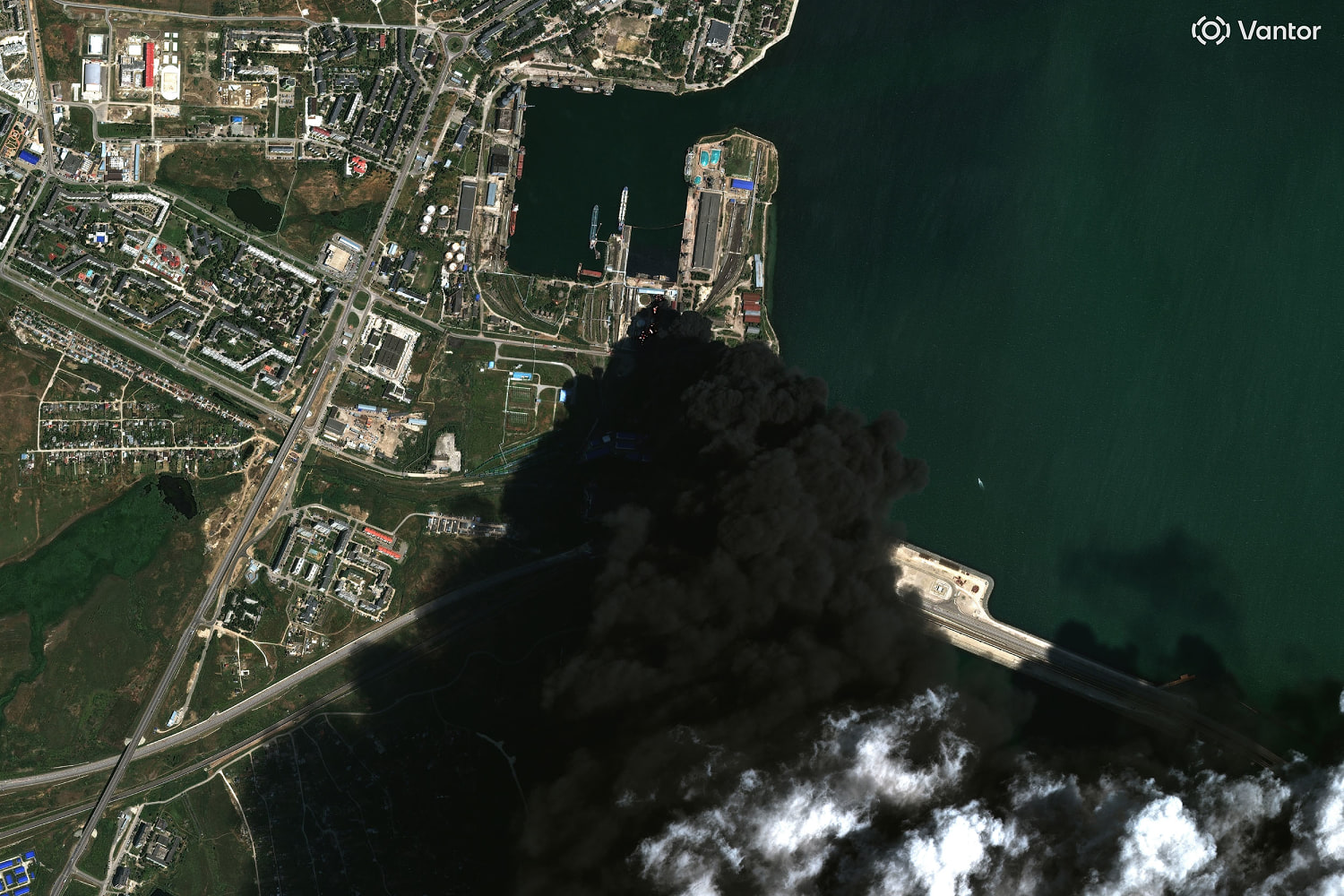
Western backers of the Zelensky government have of late been hailing the effectiveness of Ukraine forces' long-range drone strikes, which have often devastated major Russian refineries and energy infrastructure.
NATO's Rutte in Ankara:
— Clash Report (@clashreport) July 7, 2026
We will launch a counter-drone marketplace.
The aim is to help procure counter-drone capabilities at scale and speed. pic.twitter.com/F6hfHkox6L
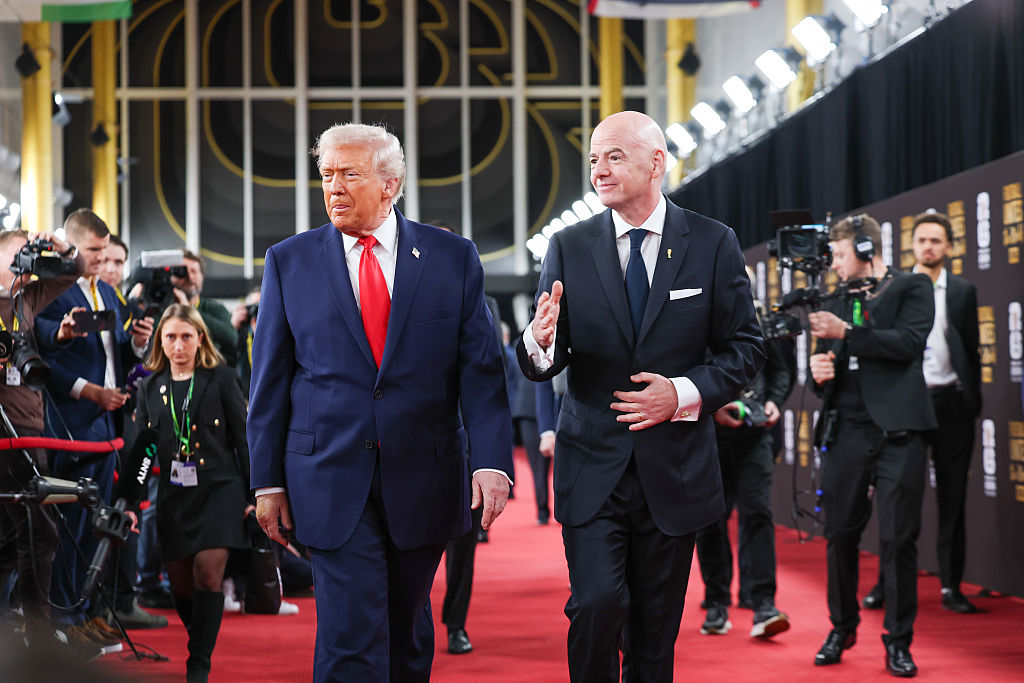
At the same time NATO officials are seeking to make a positive impression on President Trump, after he's long demanded the alliance collectively raise the bar much higher on defense investment and spending. All of this could kick the can further in terms of needless escalation with Russia - especially the ongoing support to Ukraine's long-range drones and missiles, which are being sent deeper and deeper into Russian territory.