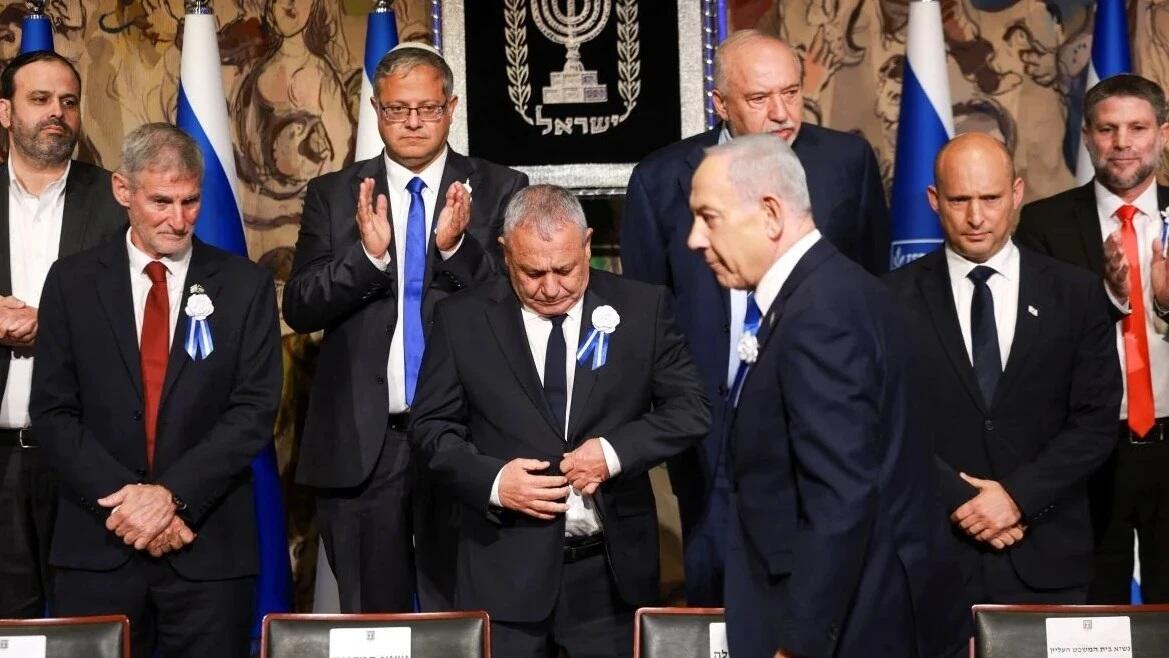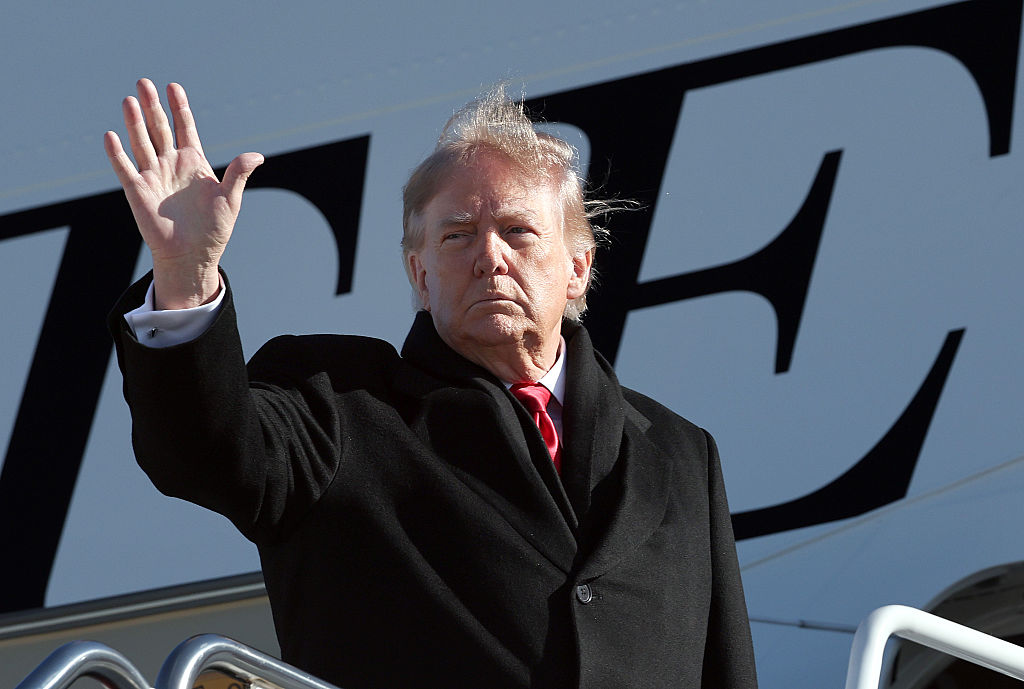
'Teflon Bibi' dodges another big bullet? Israeli judges have dealt a massive blow to the prosecution in caretaker Prime Minister Benjamin Netanyahu's corruption trial on Wednesday.
They've advised prosecutors to drop bribery charges against Netanyahu, saying there was little chance of conviction in the first of three cases he is facing. There are also signs that the other cases are weakening as a result.
The trial - which has been stretching on for several years amid wars and various starts and stops - has focused on three corruption cases, including charges of fraud and breach of trust, as well as charges of bribery.
The allegations range from illegally receiving expensive gifts based on political favors, to quid pro quo agreements with some Israeli media sources for more favorable coverage (Case 4000), to authorizing telecom-related regulatory decisions to benefit friends and allies.
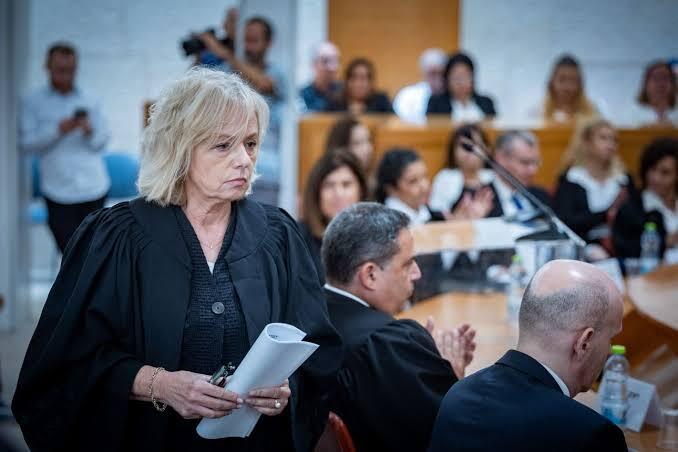
As for Wednesday's bombshell, the judges also "questioned whether his actions amounted to criminal conduct in a second corruption case, and suggested prosecutors seek a plea deal in a third," according to BBC.
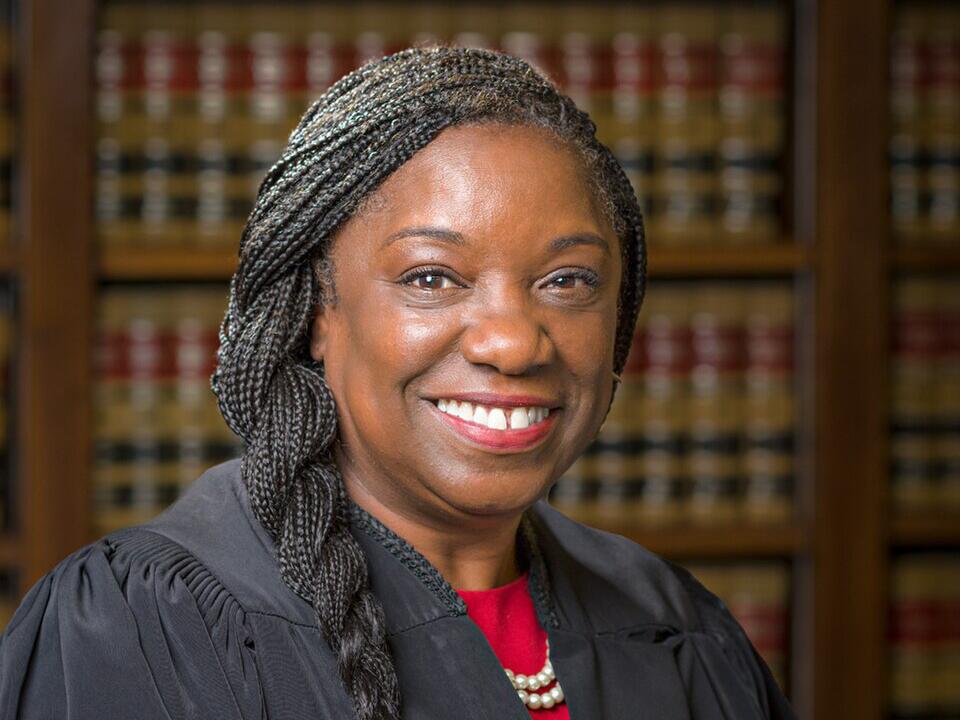
"The chances of conviction are low — to an extent that warrants reconsidering the matter," Judge Rivka Friedman-Feldman told the attorney general related the charge of bribery in Case 4000. To review:
Case 4000 — viewed as the most serious — centers on accusations that Netanyahu provided regulatory and financial benefits to Shaul Elovitch, the former owner of the Walla news site and Bezeq telecommunications, in return for positive media treatment.
The Times of Israel explains of the significance of Wednesday's unusual summoning of the Attorney General:
The comments appeared to torpedo the prosecution’s weightiest allegations, marking a huge victory for Netanyahu nearly seven years after he was hauled into court while continuing to serve as premier.
The stunning development seemingly leaves prosecutors with a realistic chance of conviction only in Case 1000. In it, Netanyahu faces fraud and breach of trust charges over allegations that he received expensive wines, jewelry and other luxury goods worth hundreds of thousands of shekels from Hollywood producer Arnon Milchan and Australian businessman James Packer and allegedly helped them with their interests while in office.
Judges said that the key evidence has been presented to the court and that the case should be wrapped up quickly, alluding to some form of agreement between the prosecution and Netanyahu’s defense team.
Feeling greatly emboldened, Netanyahu soon after the statement was made public launched into an indignant speech on Israeli TV, calling for a quick end to his trial, blasting the drawn out legal spectacle as an undemocratic attempt to remove him from power.
"Today, the trial fell apart," he said Wednesday evening (local time). "Ten years ago, I said, ‘There will be nothing because there was nothing.’ But it took 10 years for this truth to be revealed to everyone."
He added, "Citizens of Israel, this trial must end immediately. And what also needs to end immediately is what came out of it — the hatred, the incitement, the division."
After the judges informed Baharav-Miara that there must be a "rethink" in how the trial proceeds, she indicated she would strongly consider the recommendations.